
Coastal gardening often fails for reasons that are easy to overlook. Many gardeners follow standard gardening advice, only to discover that those same techniques don’t work near the coast. Plants struggle, soil refuses to improve, and progress feels slow despite consistent effort.
The reality is that coastal environments operate under different rules. Salt exposure, wind pressure, sandy soil, and rapid nutrient loss create conditions that require a more deliberate approach. Most problems in coastal gardens aren’t caused by a lack of care — they’re caused by applying methods that simply aren’t suited to coastal conditions.
This article breaks down the most common coastal gardening mistakes and explains how to avoid them. By understanding these errors early, you can make smarter decisions, protect your plants, and build a garden that adapts to coastal challenges instead of fighting against them.
Underestimating the Impact of Salt Exposure
Salt is one of the biggest challenges in coastal gardening. Salt spray from the sea can settle on leaves and soil, interfering with a plant’s ability to absorb water and nutrients. Over time, this can lead to leaf burn, stunted growth, and weakened plants.
To reduce salt damage, choose salt-tolerant plants whenever possible and rinse foliage occasionally with fresh water. Improving soil structure with organic matter also helps dilute salt concentrations and protects plant roots.
Choosing Plants That Aren’t Suited for Coastal Conditions

Many gardeners select plants based on appearance without considering whether they can handle coastal conditions. Plants that are not adapted to salt, wind, or sandy soil often struggle to survive, no matter how much care they receive.
Selecting plants specifically suited for coastal gardens is one of the most effective ways to avoid failure. Native plants and salt-tolerant species are better equipped to handle wind exposure, fluctuating moisture levels, and saline air.
Ignoring Soil Quality in Sandy Coastal Areas

Sandy soil drains quickly, which can be both a benefit and a drawback. While it prevents waterlogging, it also allows nutrients to wash away before plants can absorb them. Many coastal gardens fail because the soil lacks the structure needed to retain nutrients and moisture.
Improving soil quality with compost and organic amendments helps create a more stable growing environment. Regularly adding organic matter increases nutrient retention and supports healthy root development.
Overwatering or Poor Drainage Management
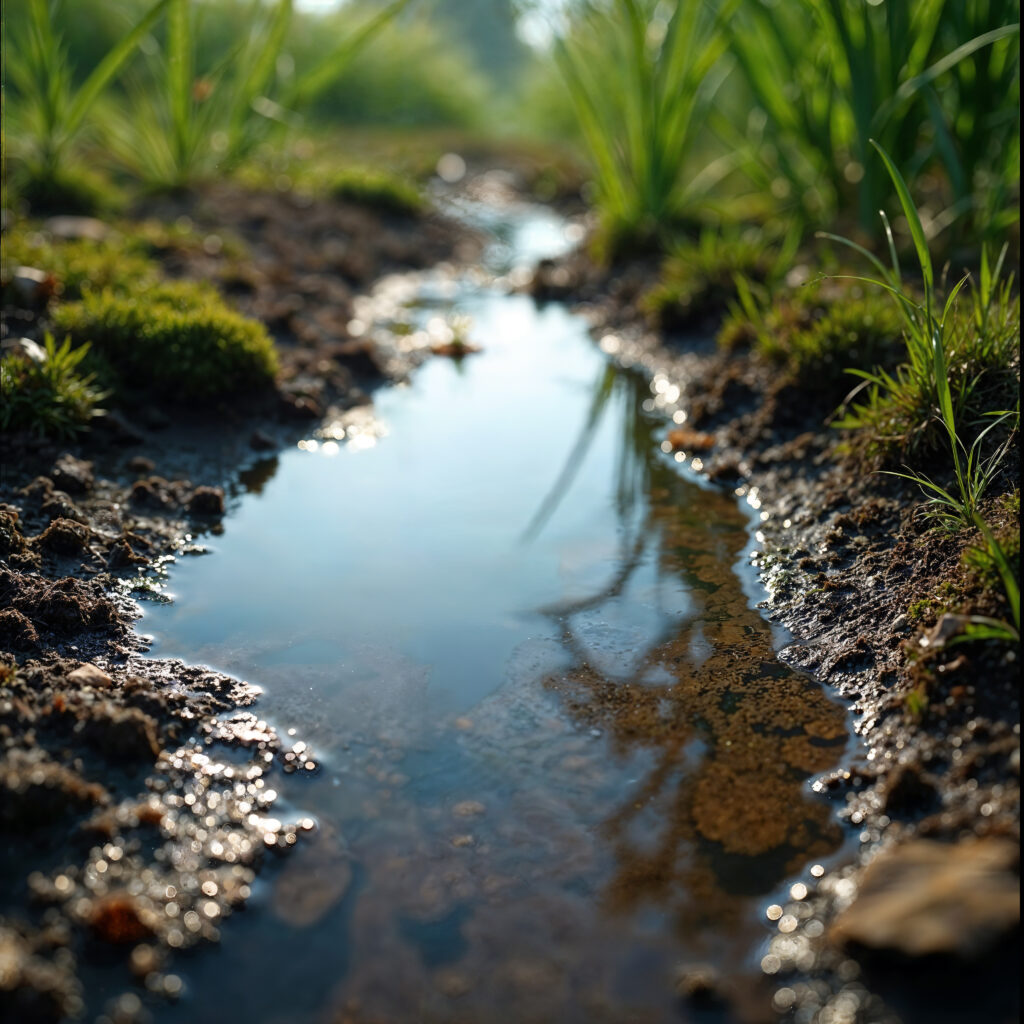
Coastal gardeners often overwater in an attempt to compensate for sandy soil and drying winds. However, excessive watering can leach nutrients and weaken root systems. Poor drainage, on the other hand, can lead to root rot and disease.
The key is to maintain a balanced watering routine. Deep, less frequent watering encourages stronger roots, while proper drainage ensures excess water does not accumulate around plant roots.
Failing to Protect Plants From Strong Coastal Winds

Strong winds are common in coastal areas and can cause physical damage to plants. Wind can dry out leaves, break stems, and increase moisture loss from the soil.
Using windbreaks such as fences, hedges, or strategically placed structures can greatly reduce wind stress. Planting in sheltered areas and grouping plants together also helps protect them from constant exposure.
Overusing Fertilizers to Compensate for Poor Growth
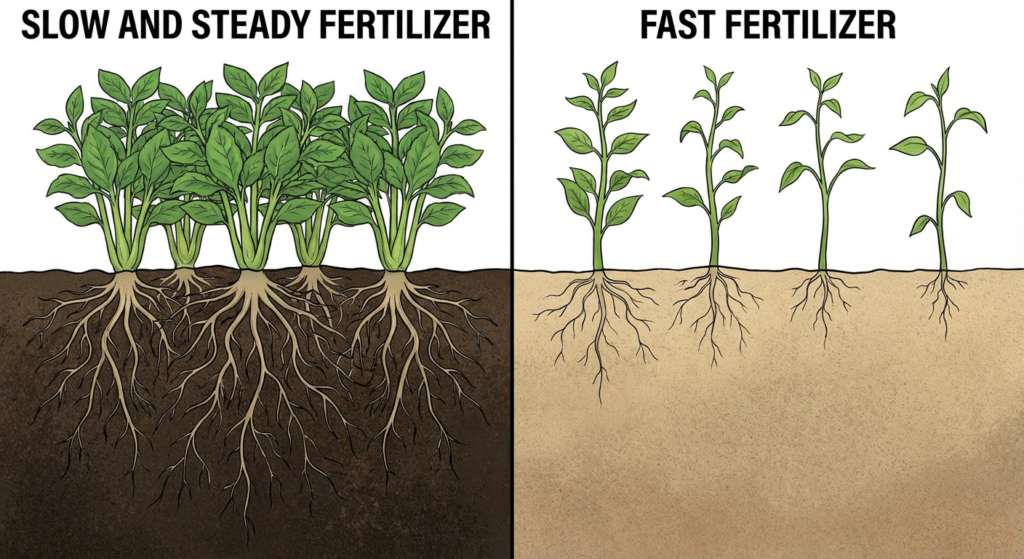
When plants show signs of stress, many gardeners turn to fertilizers as a quick fix. In coastal gardens, over-fertilizing can actually worsen the problem by increasing salt levels in the soil and damaging roots.
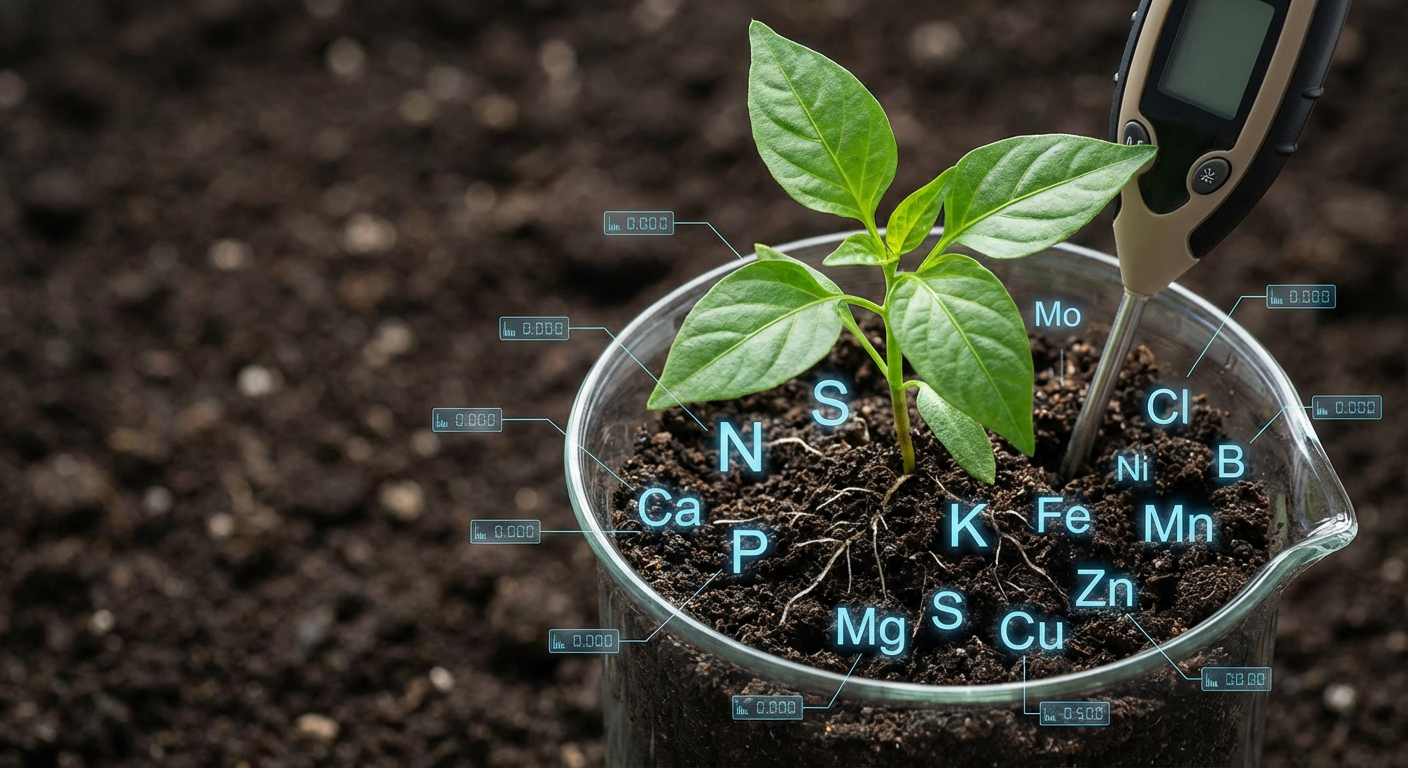
Using slow-release fertilizers and organic amendments provides nutrients gradually without overwhelming plants. Soil testing can also help determine what nutrients are truly needed.
Skipping Mulching in Coastal Gardens
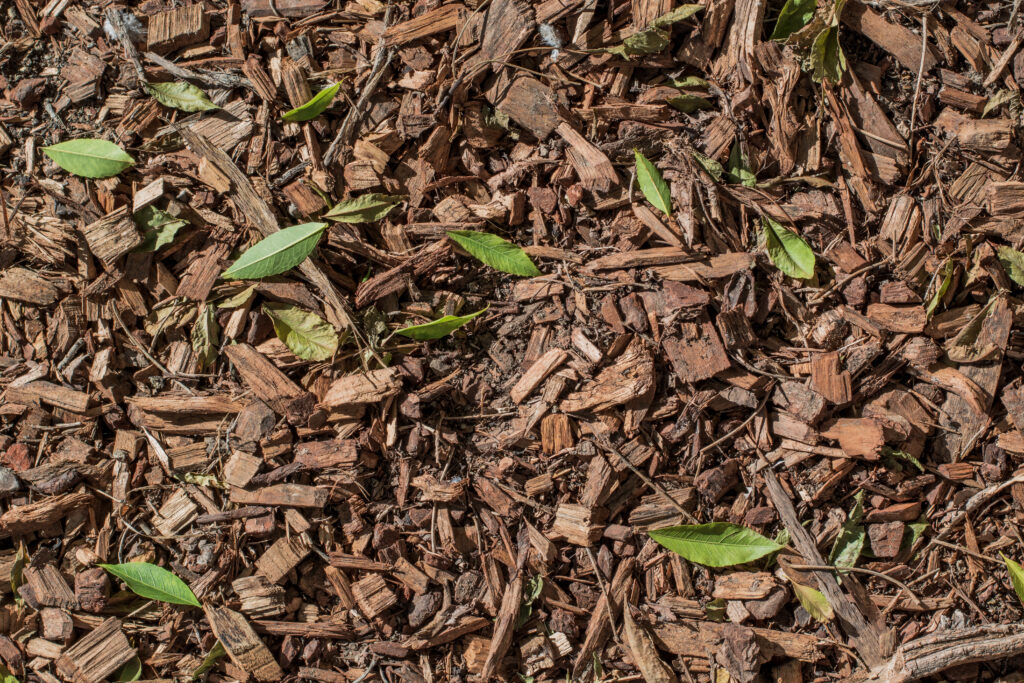
Mulch is often overlooked, but it plays a vital role in coastal gardening. Without mulch, soil loses moisture quickly and becomes more vulnerable to temperature fluctuations and erosion.
Applying organic mulch helps retain moisture, regulate soil temperature, and reduce nutrient loss. Mulch also protects the soil surface from wind and heavy rain.
Not Maintaining Long-Term Soil Health
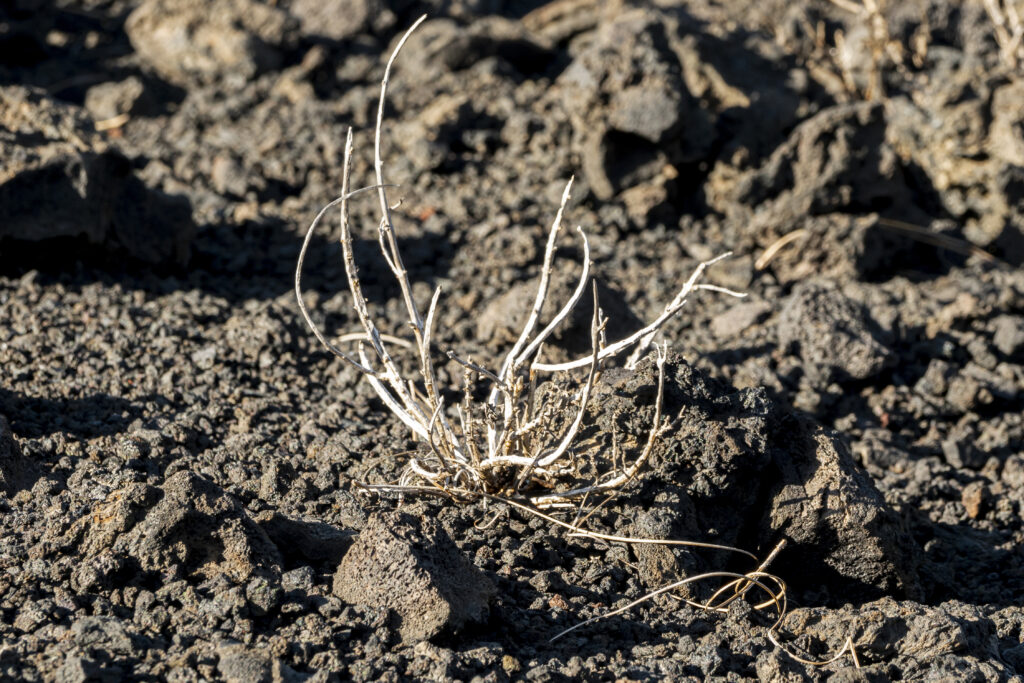
Coastal gardens require ongoing attention to soil health. Many gardeners focus on short-term fixes rather than building long-term soil structure and fertility.
Maintaining soil health through regular composting, mulching, and careful nutrient management creates a foundation that supports plant growth year after year.
Final Thoughts: How to Avoid These Coastal Gardening Mistakes
Successful coastal gardening is less about perfection and more about understanding the environment. By choosing the right plants, improving soil quality, managing water wisely, and protecting plants from wind and salt, you can avoid the most common coastal gardening mistakes. With consistent care and a long-term approach, coastal gardens can become resilient, productive, and enjoyable spaces.