

Gardening near the coast is rewarding, but it’s rarely easy. Strong winds, salty air, intense sunlight, and sandy soils create challenges that inland gardens never face. Plants that thrive just a few kilometers away may struggle or fail entirely by the sea.
The good news is that coastal gardening is not about fighting nature — it’s about understanding it and working with it. With the right plants, soil preparation, protection strategies, and watering methods, a coastal garden can be just as productive and beautiful as any other.
This guide brings together the essential principles of coastal gardening and shows you how to build a garden that survives — and thrives — in coastal conditions.
Understanding Coastal Gardening Conditions
Before choosing plants or installing irrigation, it’s important to understand what makes coastal environments unique.
Wind is often the most constant challenge. Coastal winds dry out soil quickly, damage tender growth, and can physically stress plants over time. Even moderate winds, when persistent, reduce plant health.
Salt is another major factor. Salt spray from the sea settles on leaves and soil, drawing moisture out of plant tissues and causing leaf burn, discoloration, or stunted growth. Salt can also accumulate in the soil, making it harder for roots to absorb water.
Soil near the coast is usually sandy or rocky. While sandy soil drains well, it struggles to hold water and nutrients, which can leave plants undernourished unless the soil is improved.
Understanding these conditions early helps you make better decisions at every stage of garden planning.
Choosing the Right Plants for Coastal Gardens
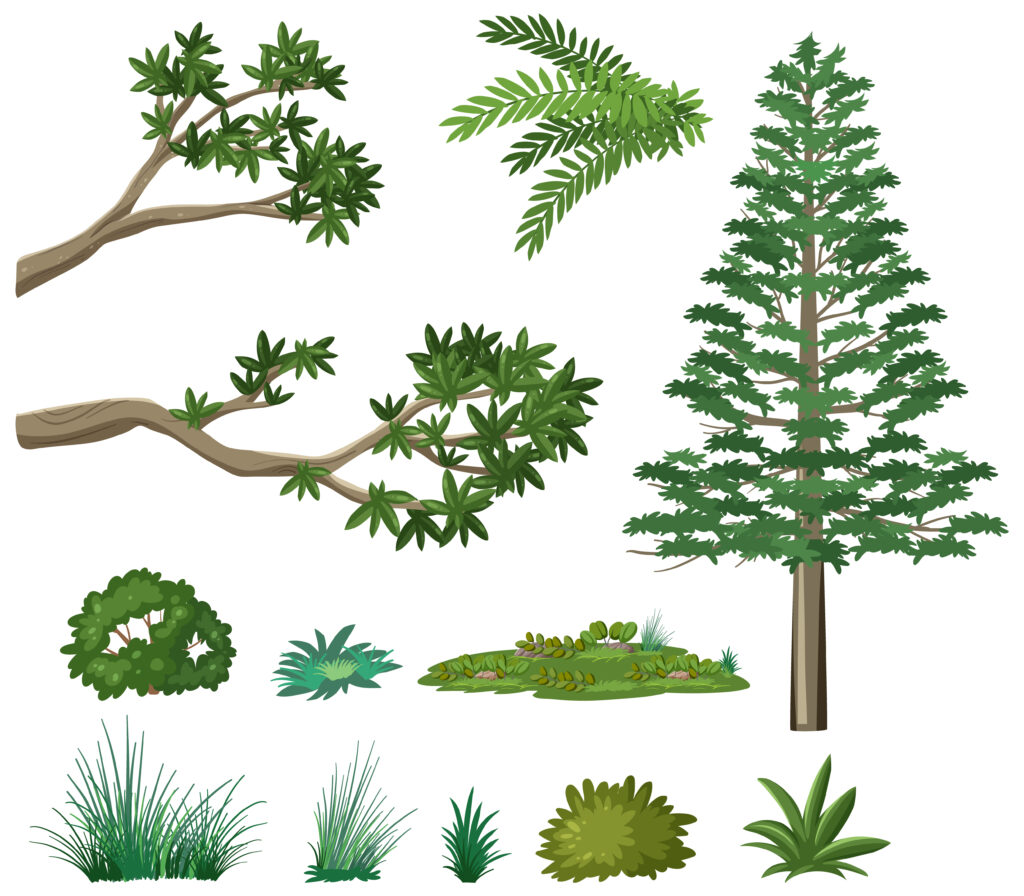
Plant selection is one of the most important decisions in coastal gardening. Some plants are naturally adapted to salty air, wind exposure, and poor soils, while others will constantly struggle no matter how much care they receive.
Salt-tolerant plants tend to have thicker leaves, waxy coatings, or flexible stems that reduce moisture loss and physical damage. Wind-resistant plants often grow low to the ground or have strong, resilient branching structures.
Native coastal plants are usually the safest choice because they evolved in similar conditions. Mediterranean, coastal Australian, Californian, and South African plants are especially well-suited for coastal environments around the world.
Instead of trying to protect delicate plants endlessly, building your garden around naturally resilient species creates a healthier, lower-maintenance landscape.
Soil Preparation and Nutrients for Coastal Areas

Coastal soil often looks harmless on the surface but lacks the structure and nutrients plants need for long-term growth. Sandy soils drain quickly, allowing water and nutrients to wash away before roots can absorb them.
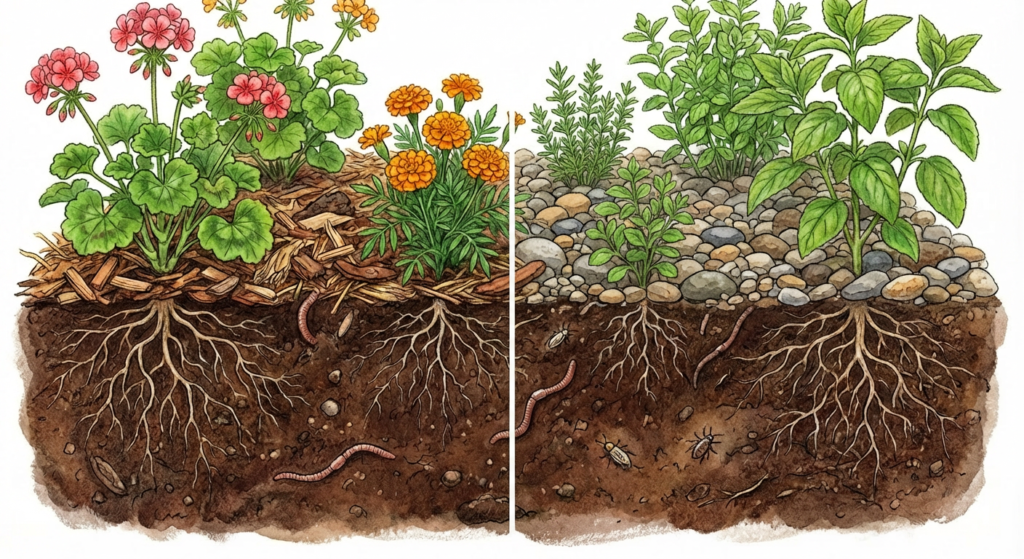
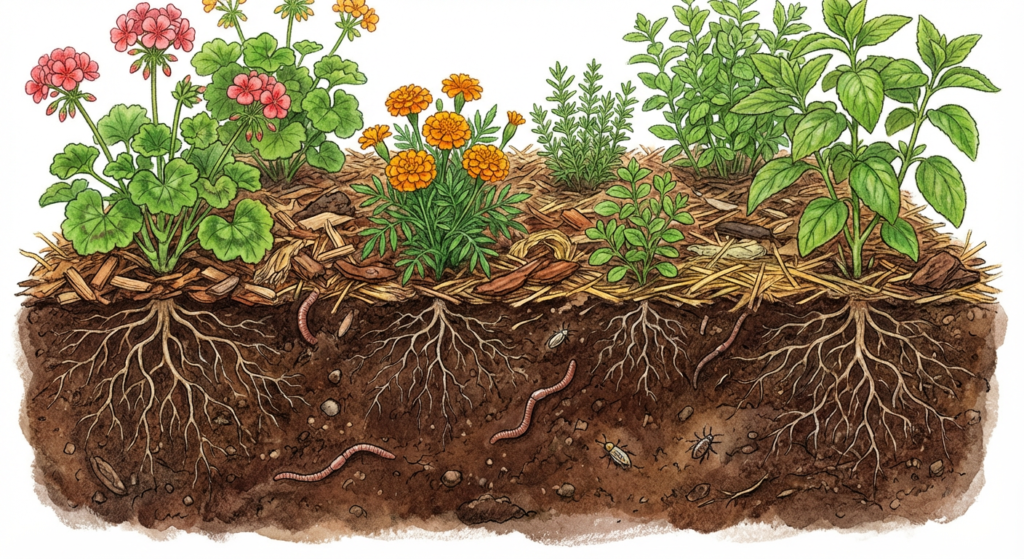
Improving coastal soil starts with organic matter. Compost, well-rotted manure, and organic mulches help sandy soil retain moisture while slowly releasing nutrients. Over time, this builds healthier soil structure and supports beneficial microorganisms.
Nutrients such as nitrogen, potassium, calcium, and magnesium are commonly deficient in coastal soils. Regular soil enrichment and balanced fertilization are essential, but over-fertilizing should be avoided, as nutrients can leach quickly in sandy conditions.
Healthy soil acts as a buffer against stress, helping plants cope better with wind, salt, and heat.
Watering and Irrigation in Coastal Gardens
Water management is a constant balancing act in coastal gardens. Wind and sun increase evaporation, while sandy soils struggle to retain moisture.
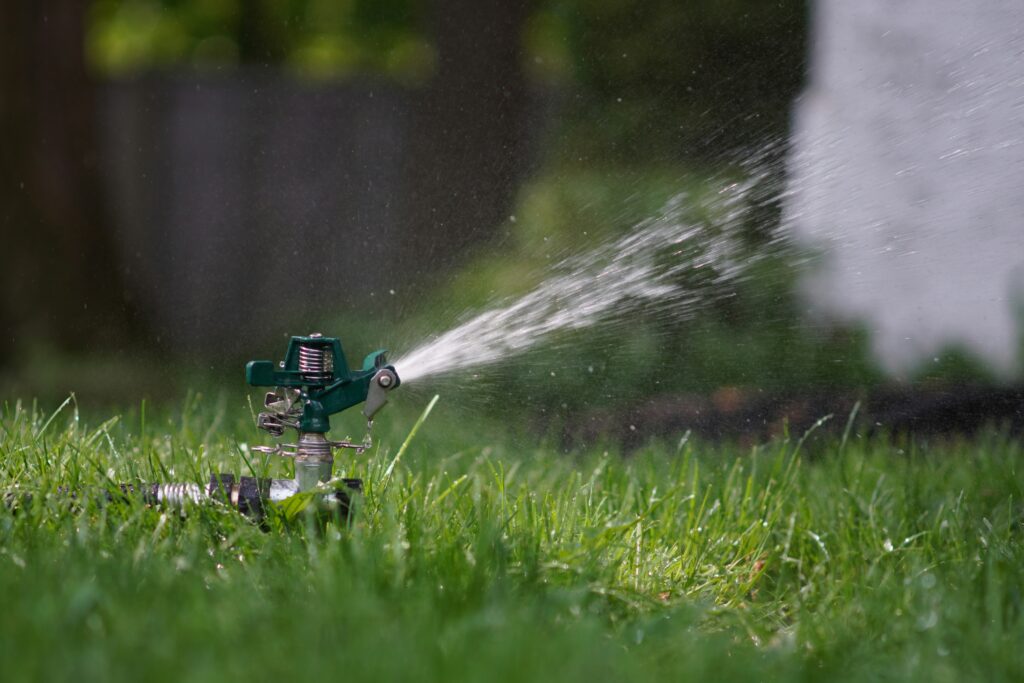
Overhead watering often leads to water loss and can worsen salt buildup on leaves. More efficient irrigation methods deliver water directly to the root zone, where it’s most effective.
Drip irrigation and soaker hoses are particularly well-suited for coastal conditions. They reduce evaporation, limit salt residue on foliage, and provide consistent moisture without waterlogging the soil.
Watering deeply but less frequently encourages roots to grow deeper, making plants more resilient to dry spells and windy conditions.
Protecting Plants from Wind and Salt Damage
Even salt-tolerant plants benefit from some level of protection. Strategic garden design can significantly reduce wind speed and salt exposure without blocking airflow completely.
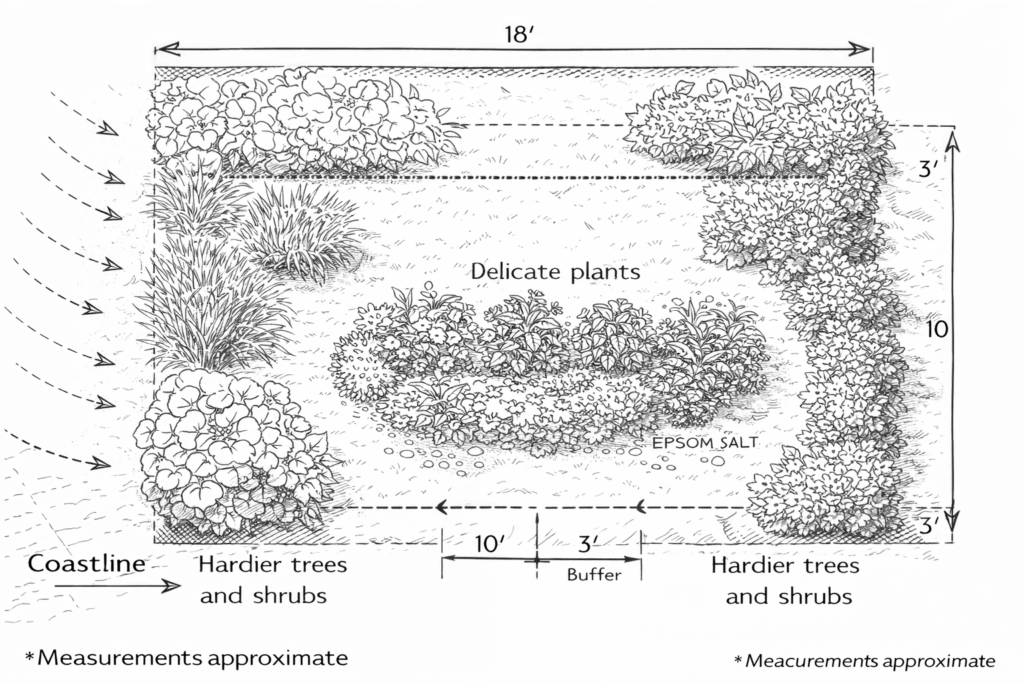
Windbreaks such as hedges, shrubs, fences, or trellises slow down wind rather than stopping it abruptly. This creates calmer microclimates where more sensitive plants can survive.
Planting in layers — with tough, wind-resistant plants on the outer edges and more delicate species behind them — adds natural protection. Mulching the soil also helps reduce moisture loss and limits salt accumulation near the surface.
Protection doesn’t mean isolation; it means thoughtful placement and gradual shielding.
Seasonal Maintenance for Coastal Gardens
Coastal gardens change with the seasons, and maintenance should adapt accordingly.
During warmer months, regular watering, mulching, and monitoring for salt buildup are essential. Rinsing foliage occasionally with fresh water can help wash away salt residue.
In cooler or stormier seasons, pruning damaged growth and reinforcing wind protection helps plants recover and prepare for the next cycle. Adding compost before winter improves soil health for spring growth.
Seasonal awareness keeps small problems from becoming long-term damage.
Common Coastal Gardening Mistakes to Avoid
Many coastal gardening problems come from trying to apply inland gardening methods to coastal conditions.
Common mistakes include:
- Choosing plants based on appearance rather than resilience
- Ignoring wind exposure when planning layout
- Relying on poor soil without improvement
- Overwatering to compensate for dry conditions
Final Tips for Long-Term Coastal Garden Success
A successful coastal garden is built gradually. Plants take time to adapt, soil improves slowly, and protective structures become more effective as the garden matures.
Focus on resilience rather than perfection. Choose plants that work with your environment, invest in soil health, and design your garden with wind and salt in mind.
With patience and the right approach, coastal gardening becomes less about constant struggle and more about balance — creating a landscape that feels natural, durable, and deeply rewarding.