
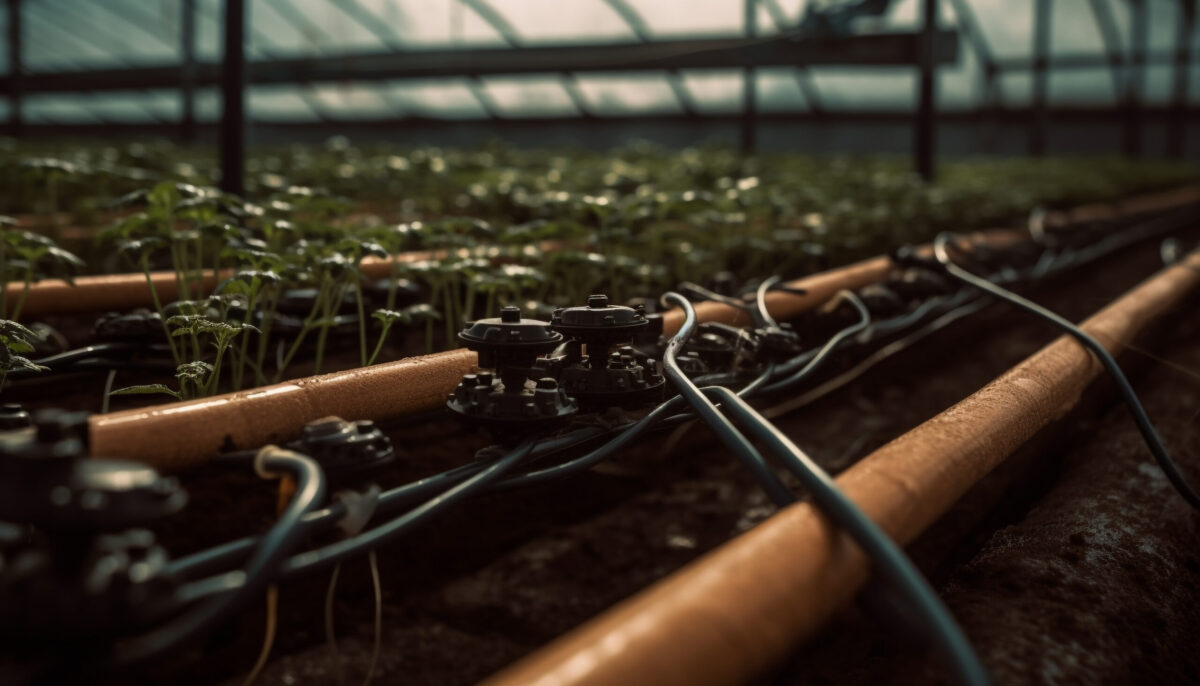
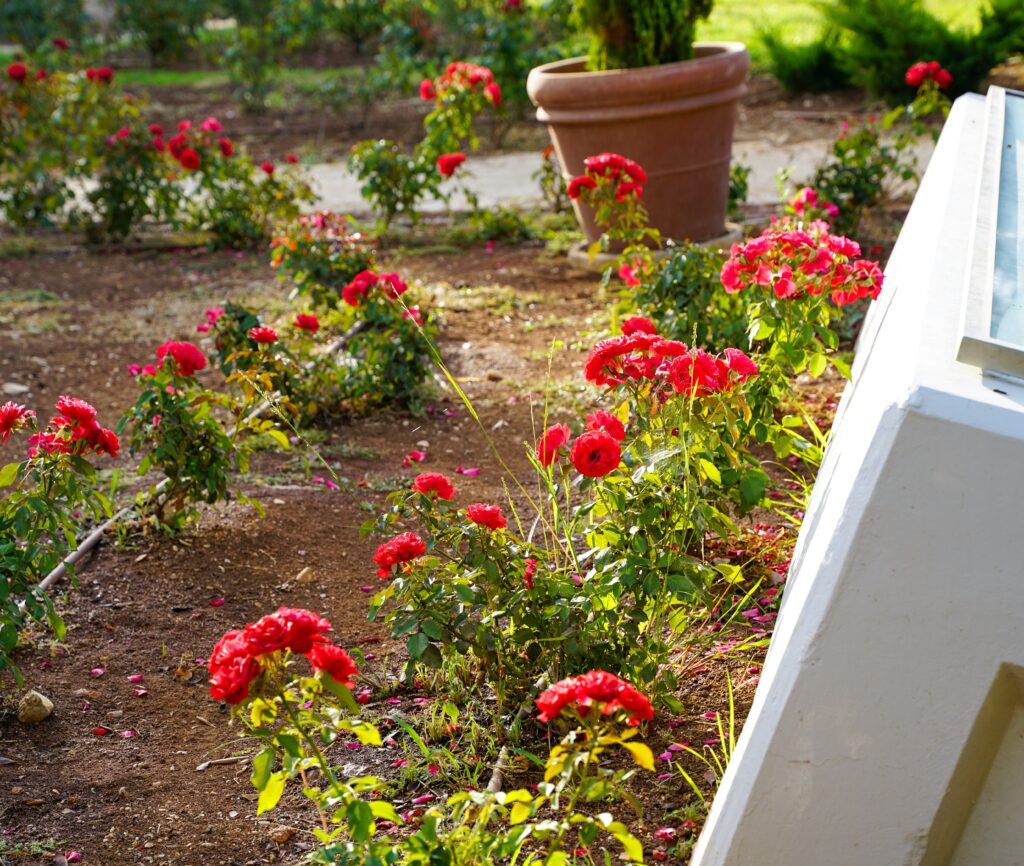
Gardening near the coast comes with unique challenges. Strong winds, sandy soil, salty air, and high evaporation rates can make traditional watering methods inefficient or even damaging to plants.
Choosing the right irrigation system is one of the most important decisions for a coastal garden. The wrong setup can waste water, increase salt buildup in the soil, and shorten the lifespan of your equipment.
In this guide, we’ll look at the most effective irrigation systems for coastal gardens, explain why they work, and help you choose a solution that fits your climate, plants, and budget.
Why Coastal Gardens Need Special Irrigation
Coastal environments create conditions that are very different from inland gardens. Sandy soils drain water quickly, which means moisture often doesn’t stay around long enough for plant roots to absorb it properly.
In addition, salt carried by sea spray or present in the soil can accumulate over time. Poor irrigation methods may worsen this problem by pushing salts deeper into the root zone instead of flushing them away.
Wind and sun exposure are also stronger near the coast, increasing evaporation and making overhead watering less effective. Because of these factors, coastal gardens require irrigation systems that deliver water efficiently, directly to the roots, and in controlled amounts.
Main Types of Irrigation Systems for Coastal Areas
Drip Irrigation Systems (Best Overall)
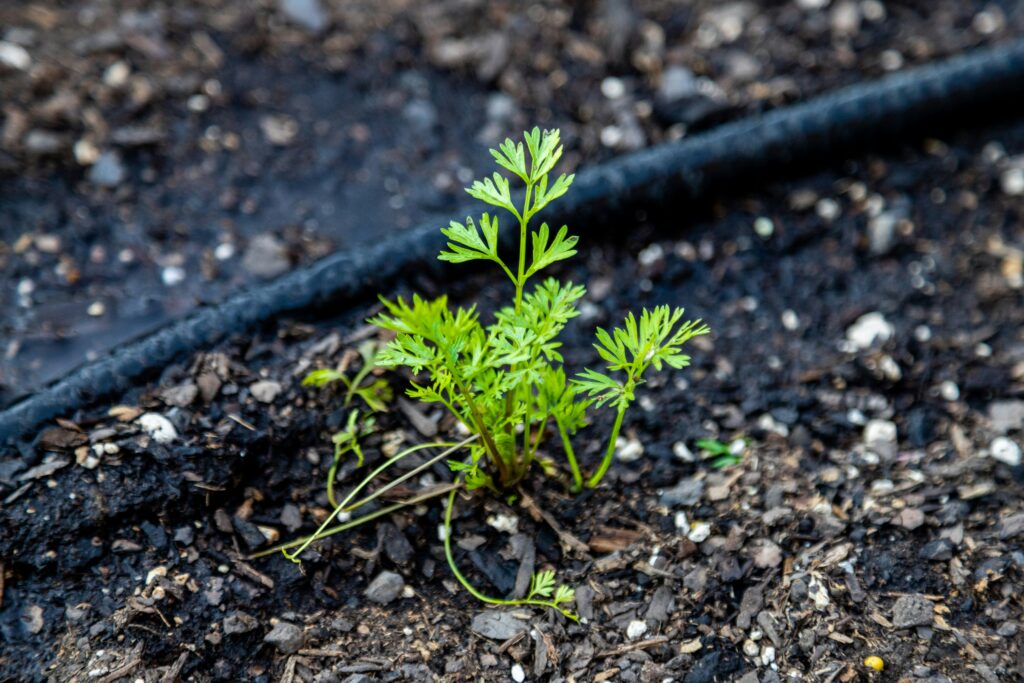
Drip irrigation systems are widely considered the most effective option for coastal gardens. They deliver water slowly and directly to the base of plants, reducing evaporation and preventing water from being wasted by wind.
This method is especially useful in sandy soils, where water drains quickly. By providing a steady and controlled flow, drip systems help maintain consistent moisture levels around the roots without oversaturating the soil.
Another advantage is improved salt management. Because water is applied directly to the root zone, drip irrigation helps flush excess salts away from plant roots instead of spreading them across leaves or soil surfaces.
Modern drip systems are also highly customizable. They can be adjusted for different plant types, garden sizes, and water pressure levels, making them suitable for both small residential gardens and larger coastal landscapes.
Soaker Hoses (Best for Small Gardens)
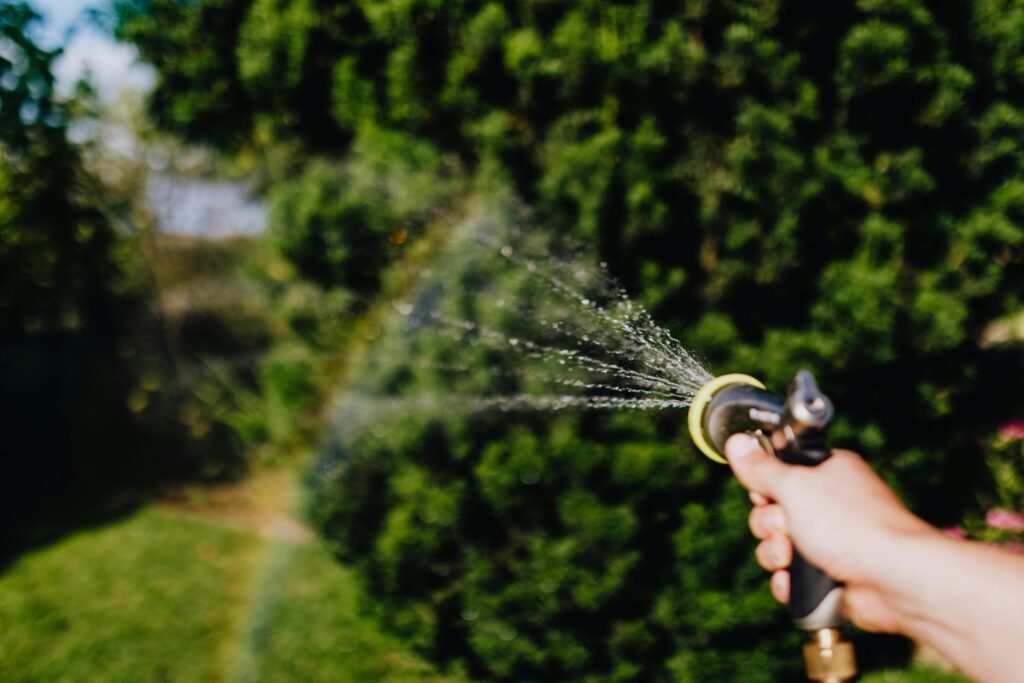
Soaker hoses are a simple and affordable irrigation option, especially for small coastal gardens, raised beds, or narrow planting areas. They work by slowly releasing water along the length of the hose, allowing moisture to seep directly into the soil.
In coastal environments, soaker hoses can be effective when used correctly. Because they operate at low pressure and stay close to the ground, they reduce water loss from wind and evaporation.
However, durability is an important consideration. Cheaper soaker hoses may crack or degrade faster when exposed to salt air and strong sunlight. For coastal use, thicker and UV-resistant hoses tend to last longer and perform more consistently.
Sprinkler Systems (Use With Caution)
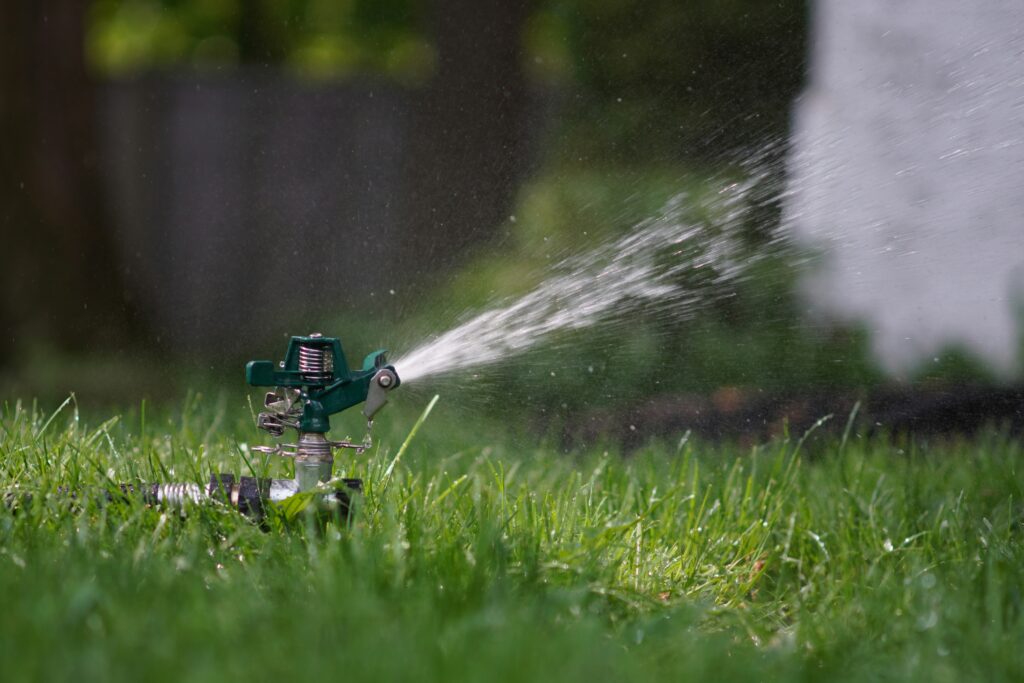
Sprinkler systems are commonly used in many gardens, but they are not always the best choice for coastal environments. Strong winds can cause uneven water distribution, leaving some areas dry while others receive too much water.
Overhead watering can also increase salt exposure on plant leaves when sea spray is present. As water evaporates, salt residues may remain on foliage, potentially stressing sensitive plants.
That said, sprinklers can still be useful in certain situations, such as larger lawns or wind-protected areas. When used in coastal gardens, low-angle or adjustable sprinklers and early-morning watering schedules tend to work better.
Materials That Last in Salty Air
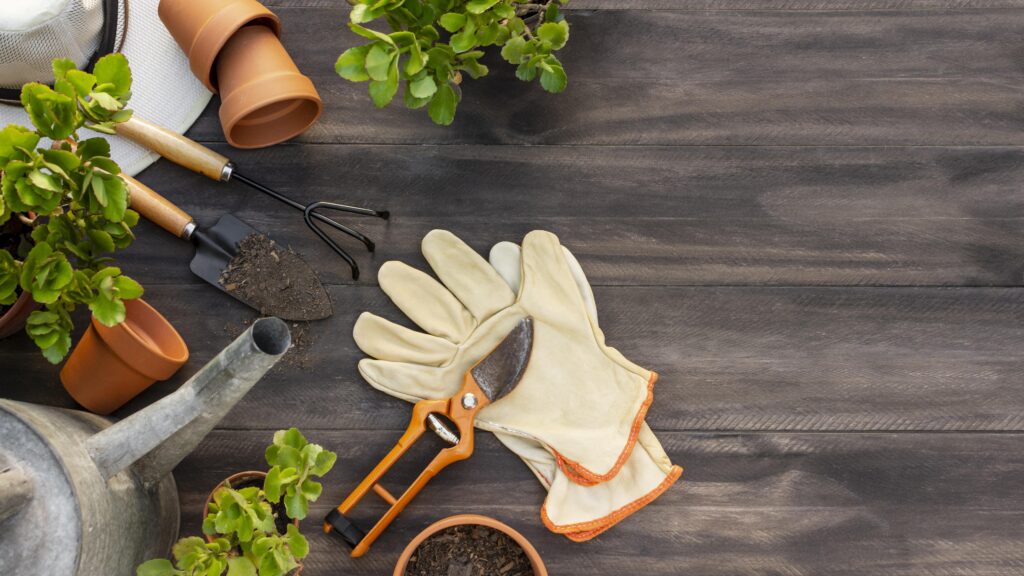
Coastal gardens expose irrigation equipment to harsh conditions. Salt in the air, strong sunlight, and constant moisture can cause low-quality materials to degrade much faster than expected.
For irrigation systems near the coast, UV-resistant plastics and thick-walled tubing tend to perform better over time. These materials are less likely to crack, become brittle, or leak when exposed to intense sun and salty air.
Metal components also require careful consideration. Stainless steel and corrosion-resistant fittings generally last longer than standard metal parts, which can rust quickly in coastal environments. Investing in durable materials may cost more upfront, but it often reduces maintenance and replacement costs in the long run.
How to Choose the Right System (Quick Guide)
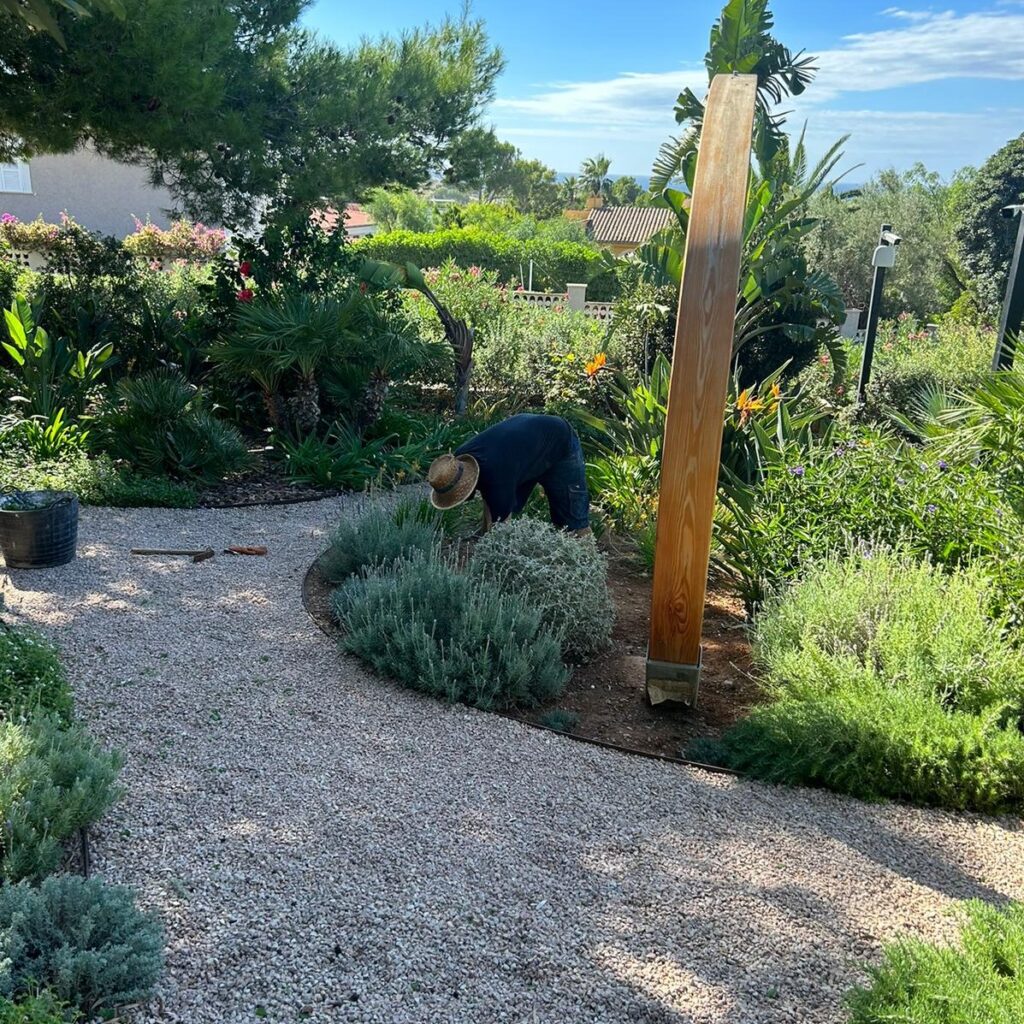
Choosing the right irrigation system for a coastal garden depends on a few practical factors. Use the guide below to narrow down the best option for your situation:
- Garden size: Small gardens and raised beds often work well with soaker hoses or simple drip systems, while larger areas may need more structured drip layouts.
- Plant types: Plant selection also plays a major role in irrigation efficiency in coastal gardens. Vegetables, shrubs, and young plants usually benefit from targeted watering, whereas lawns may tolerate wider coverage.
- Soil conditions: Sandy soils drain quickly, making slow and consistent watering methods more effective.
- Water pressure: Some systems perform better at low pressure, which is common in residential settings.
- Budget and maintenance: Higher-quality systems may cost more initially but often last longer and require fewer repairs in coastal conditions.
Common Mistakes in Coastal Irrigation
One of the most common mistakes in coastal gardens is overwatering. Sandy soil drains quickly, but watering too frequently can still lead to shallow root growth and increased salt accumulation around plants.
Another frequent issue is using low-quality hoses or fittings that are not designed for coastal conditions. Salt air and strong sunlight can cause cheap materials to crack, leak, or fail much sooner than expected.
Poor placement of irrigation lines is also a problem. Emitters placed too close to plant stems or unevenly spaced systems can result in inefficient watering and stressed plants. Taking time to plan the layout helps avoid these issues and improves long-term results.
Final recommendation
Coastal gardens benefit most from irrigation systems that deliver water efficiently and withstand harsh environmental conditions. In many cases, drip irrigation systems offer the best balance of water control, durability, and flexibility for sandy soils and salty air.
For smaller spaces or raised beds, soaker hoses can be a practical and affordable alternative when high-quality materials are used. Sprinkler systems may still have a place in certain coastal settings, but they generally require careful setup and protection from wind.
By focusing on efficient watering methods and choosing materials designed for coastal environments, gardeners can reduce water waste, protect plant health, and create a more resilient garden over time.