
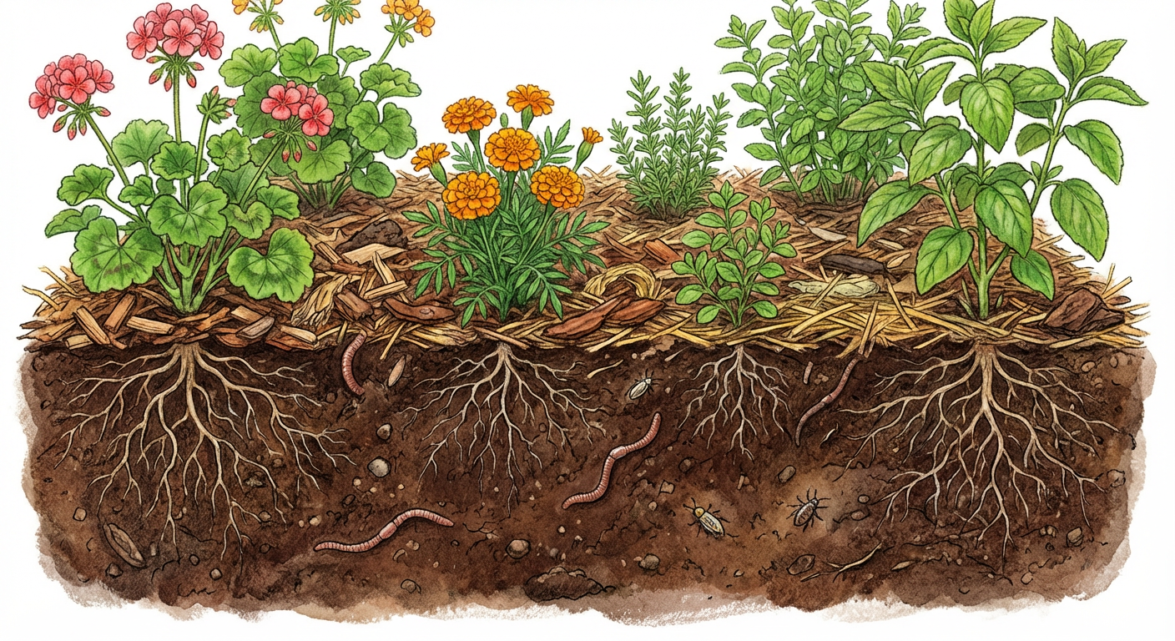
Mulching is often treated as an optional step in gardening, but in coastal areas, it plays a much more critical role. Constant wind, intense sun, sandy soil, and salt exposure can quickly strip moisture and nutrients from the ground, leaving plants stressed even when watering and fertilizing are done correctly.
Using the right mulching methods in coastal gardens helps stabilize soil conditions, protect plant roots, and improve long-term soil health. When applied properly, mulch becomes one of the most effective tools for maintaining healthy coastal landscapes with less effort and fewer problems.
Why Mulching Is Especially Important in Coastal Gardens
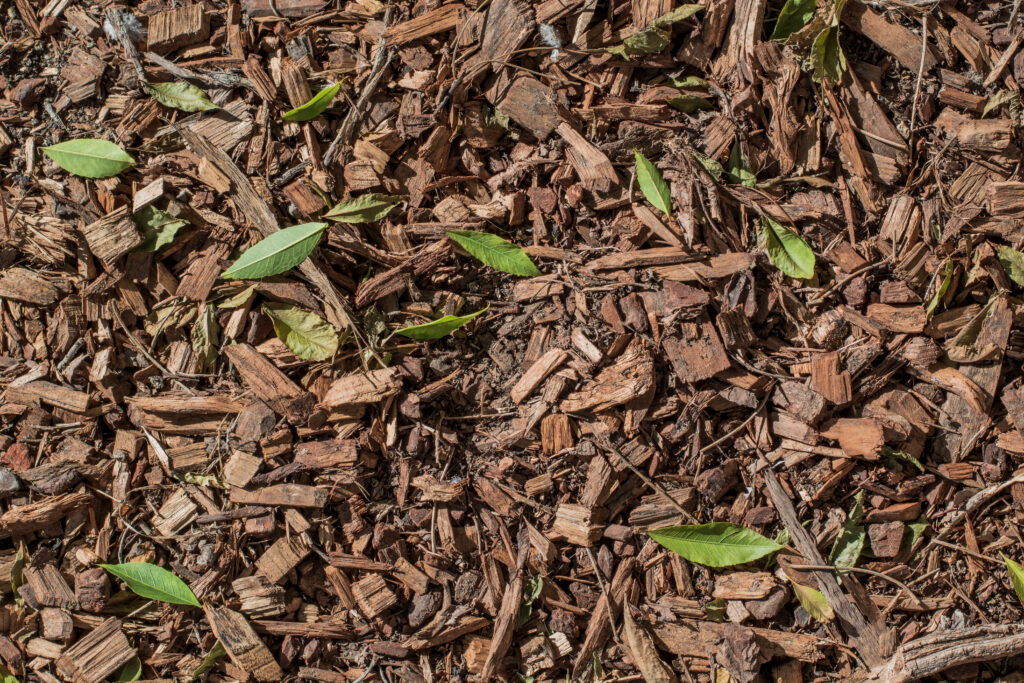
Coastal soil tends to dry out quickly due to wind and high drainage. Without protection, moisture evaporates fast, and nutrients wash away before plants can benefit from them. Mulch acts as a protective layer, reducing moisture loss and helping soil retain essential nutrients.
Mulching also shields the soil surface from salt spray and temperature fluctuations. This creates a more stable environment for beneficial microorganisms and plant roots, which is essential for long-term success in coastal gardening.
Organic Mulch vs Inorganic Mulch in Coastal Areas
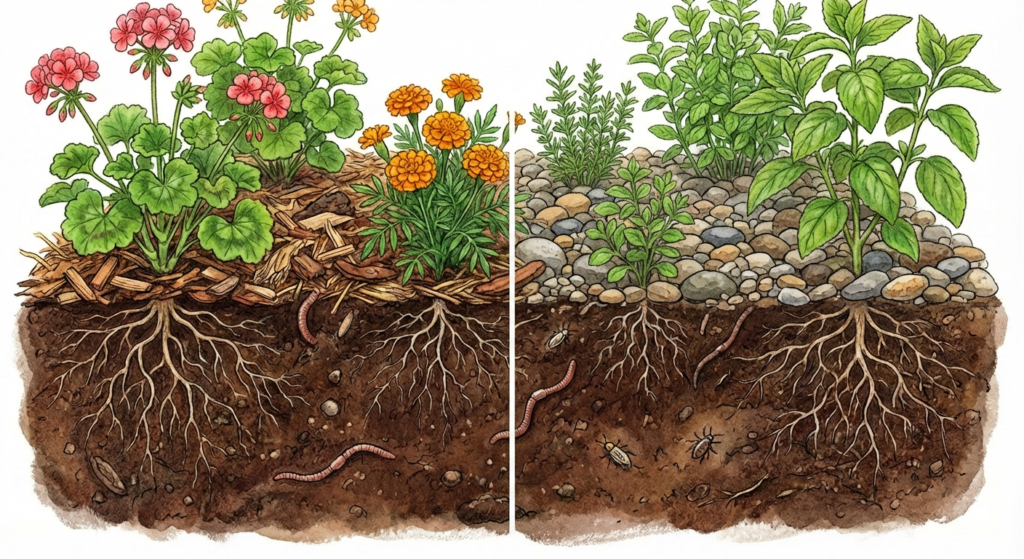
Choosing the right type of mulch matters more near the coast than in many other environments.
Organic mulch, such as bark, wood chips, straw, or compost, improves soil structure as it breaks down. It enhances moisture retention and adds organic matter to sandy soil over time.
Inorganic mulch, including gravel or stones, does not improve soil quality but can be useful in areas exposed to strong winds where organic mulch may blow away. However, it can increase soil temperature and does not help with nutrient retention.
For most coastal gardens, organic mulch is the better long-term choice.
Best Organic Mulching Materials for Coastal Gardens
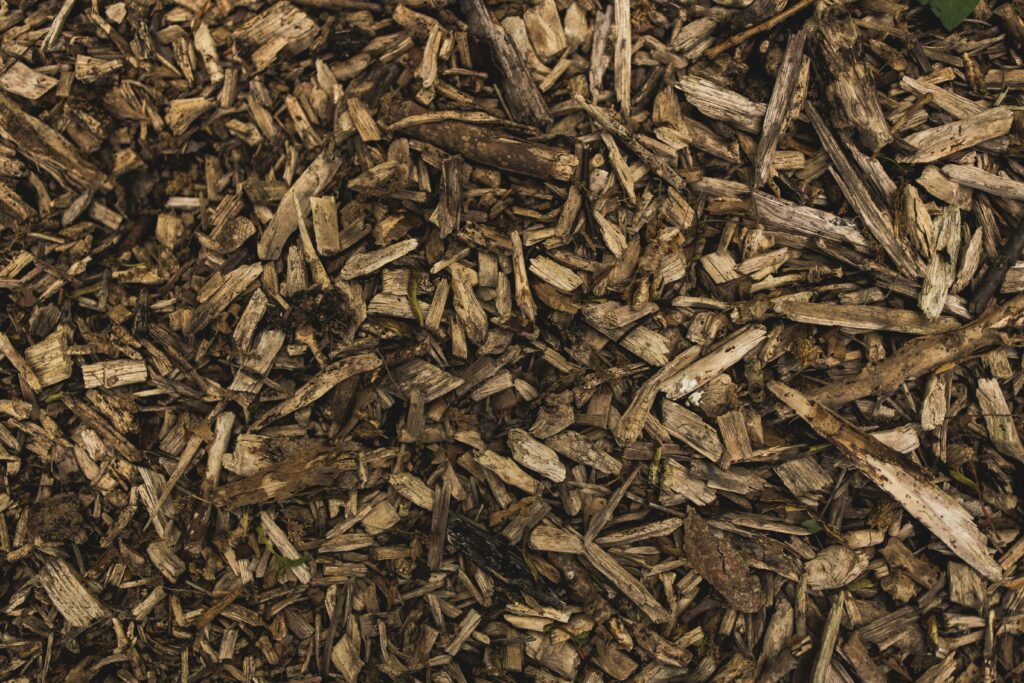
Wood Chips and Bark Mulch
Wood-based mulches are excellent for coastal conditions. They stay in place better than lighter materials and decompose slowly, improving soil quality over time. They are ideal for trees, shrubs, and perennial beds.
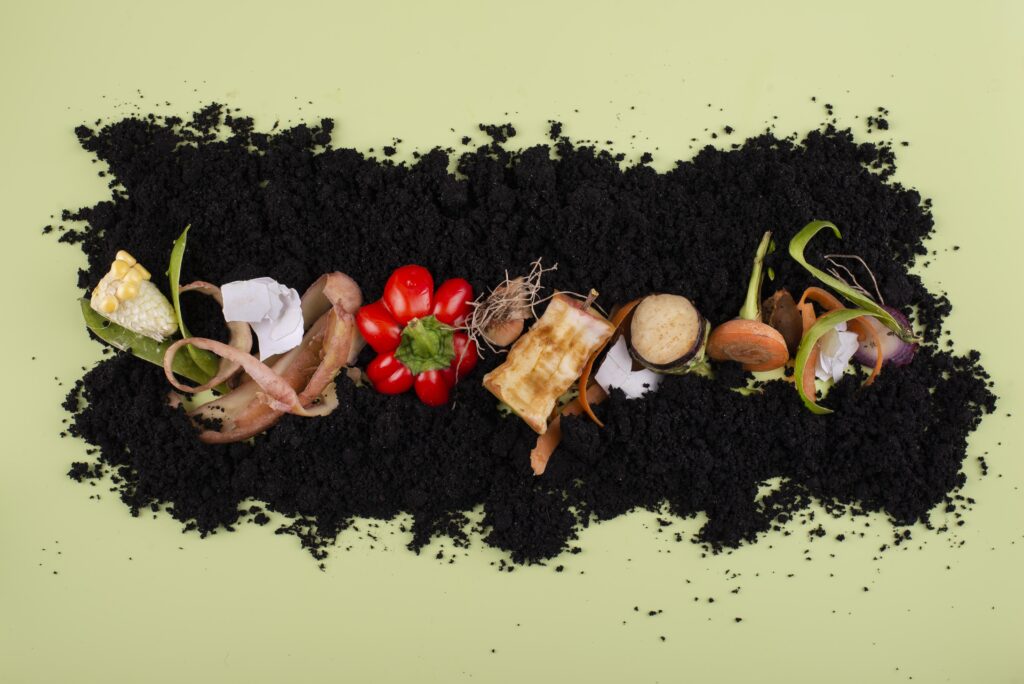
Compost
Compost works as both mulch and soil amendment. It improves moisture retention and nutrient availability while supporting healthy soil biology. Compost is best used in garden beds and around vegetables or flowering plants.
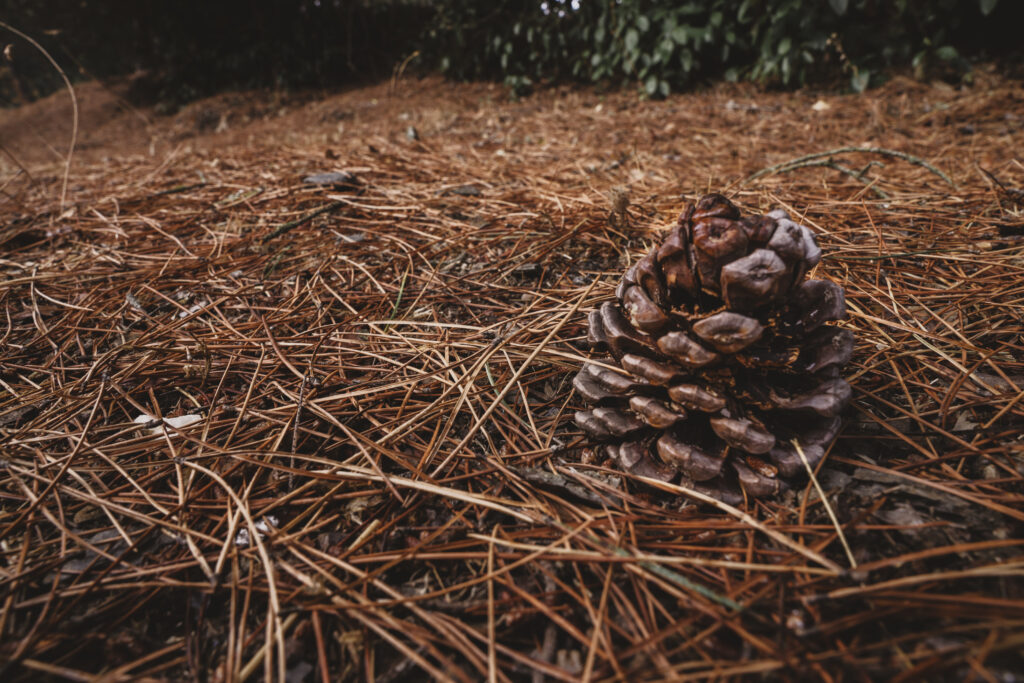
Straw and Pine Needles
These lightweight mulches are suitable for vegetable gardens and temporary beds. Pine needles are particularly useful in coastal areas because they allow water to pass through easily while staying relatively stable in windy conditions.
Inorganic Mulching Options and When to Use Them
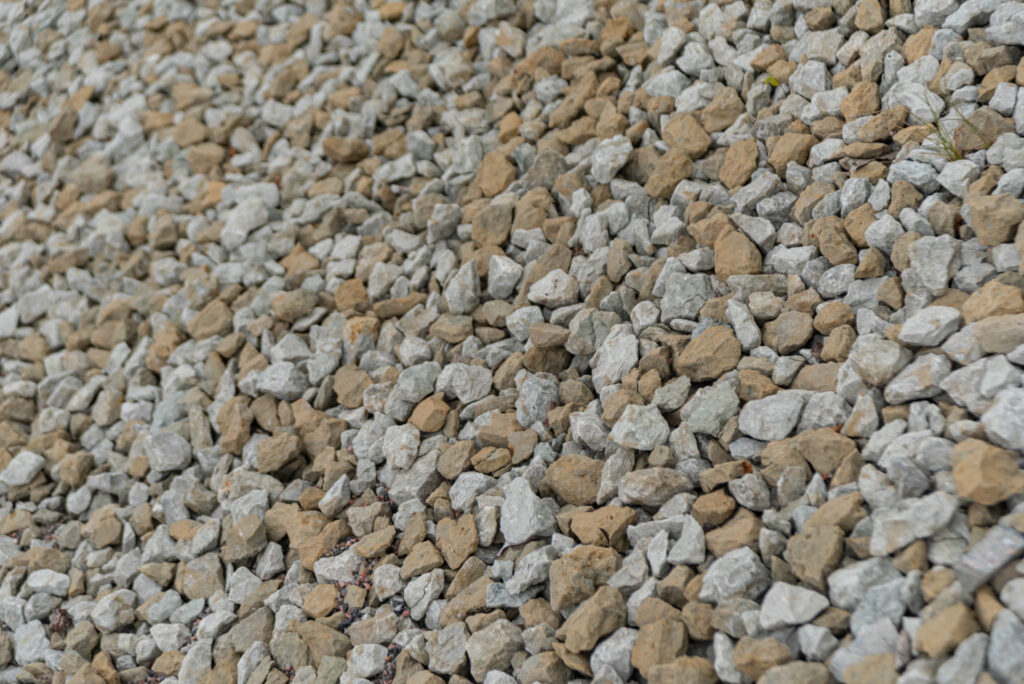
Gravel, pebbles, and stone mulch can be useful in highly exposed coastal areas where organic mulch is frequently displaced by wind. These materials provide erosion control and reduce moisture loss, but they do not contribute to soil health.
If using inorganic mulch, consider placing landscape fabric underneath and limiting use to decorative or high-traffic areas rather than planting beds.
How to Apply Mulch Correctly in Coastal Gardens
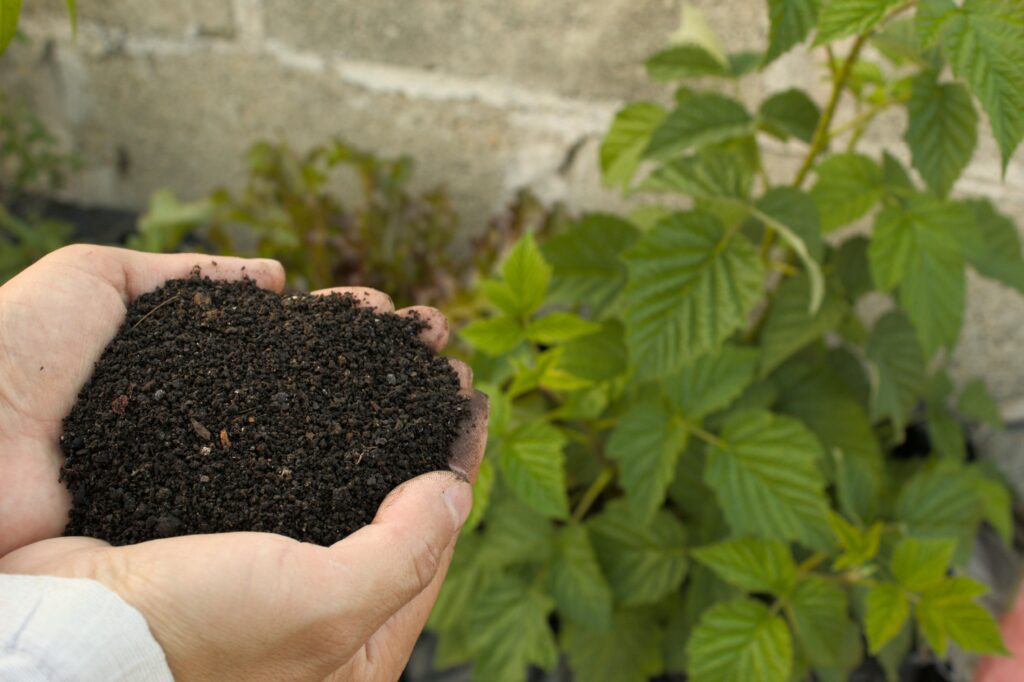
Applying mulch correctly is just as important as choosing the right material. A layer of 5 to 8 centimeters (2 to 3 inches) is ideal for most coastal gardens. Too little mulch provides limited benefit, while too much can restrict airflow and encourage pests.
Keep mulch slightly away from plant stems and tree trunks to prevent rot and fungal issues. Reapply mulch as needed, especially after strong winds or heavy rain.
Common Mulching Mistakes in Coastal Areas
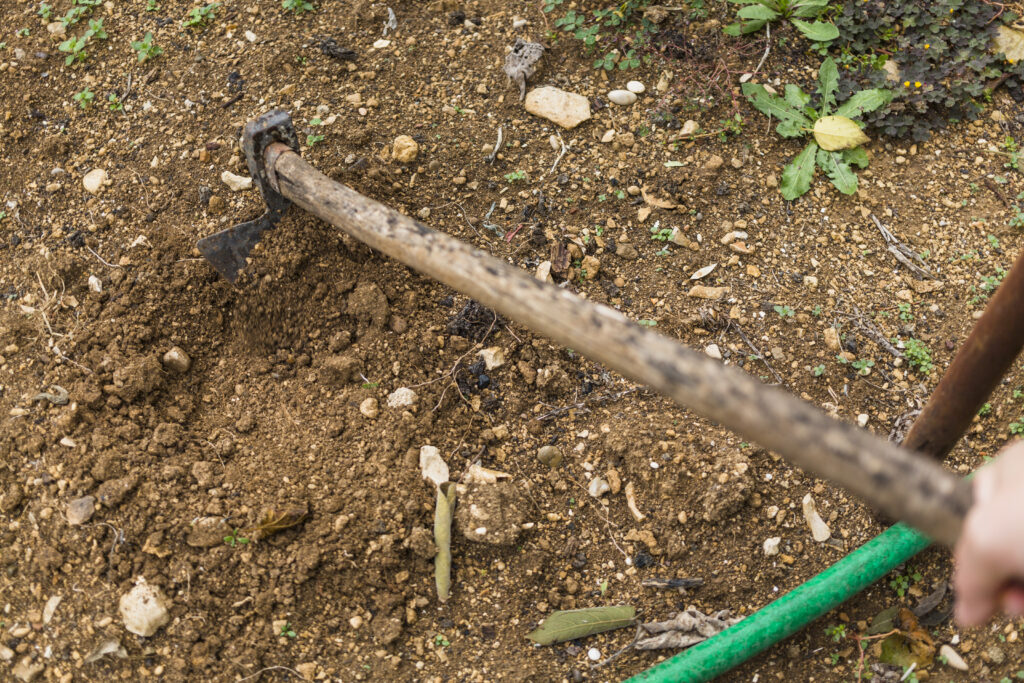
One common mistake is using mulch that is too light, allowing it to blow away easily. Another is piling mulch directly against plant stems, which can trap moisture and cause disease.
Ignoring mulch maintenance is also an issue. Over time, organic mulch breaks down and must be replenished to remain effective.
How Mulching Supports Long-Term Soil Health Near the Coast
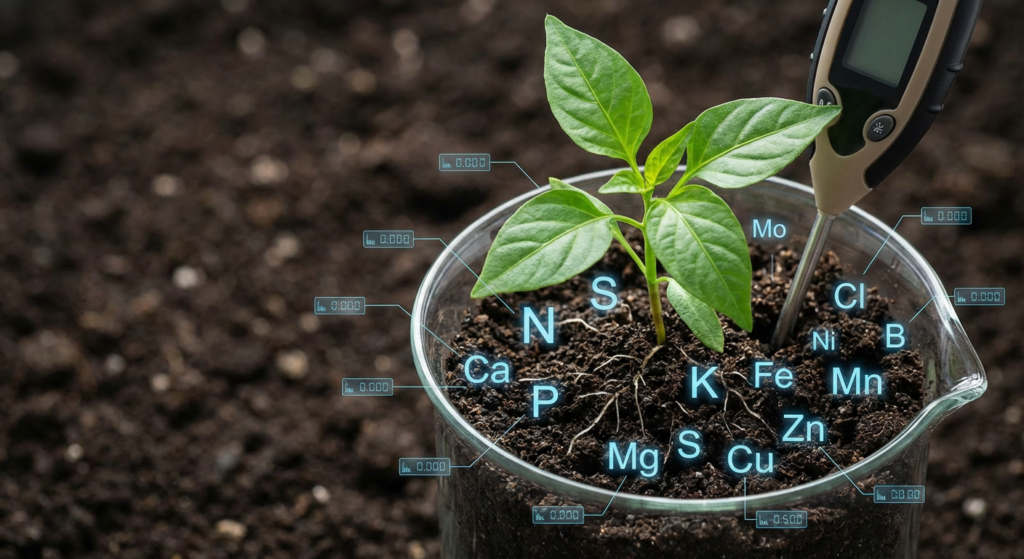
Mulching is one of the simplest ways to improve soil health gradually. As organic mulch decomposes, it increases organic matter, improves soil structure, and supports beneficial microorganisms. This helps coastal soil retain nutrients and moisture more effectively over time.
When combined with proper irrigation and nutrient management, mulching creates a more resilient growing environment that reduces plant stress and maintenance effort.
Final Thoughts on Mulching in Coastal Gardens
Mulching is not just a finishing touch in coastal gardens — it is a foundational practice. By selecting appropriate materials and applying them correctly, gardeners can protect soil, reduce moisture loss, and improve plant health despite challenging coastal conditions.
With consistent mulching and basic maintenance, coastal gardens become easier to manage and more resilient season after season.