
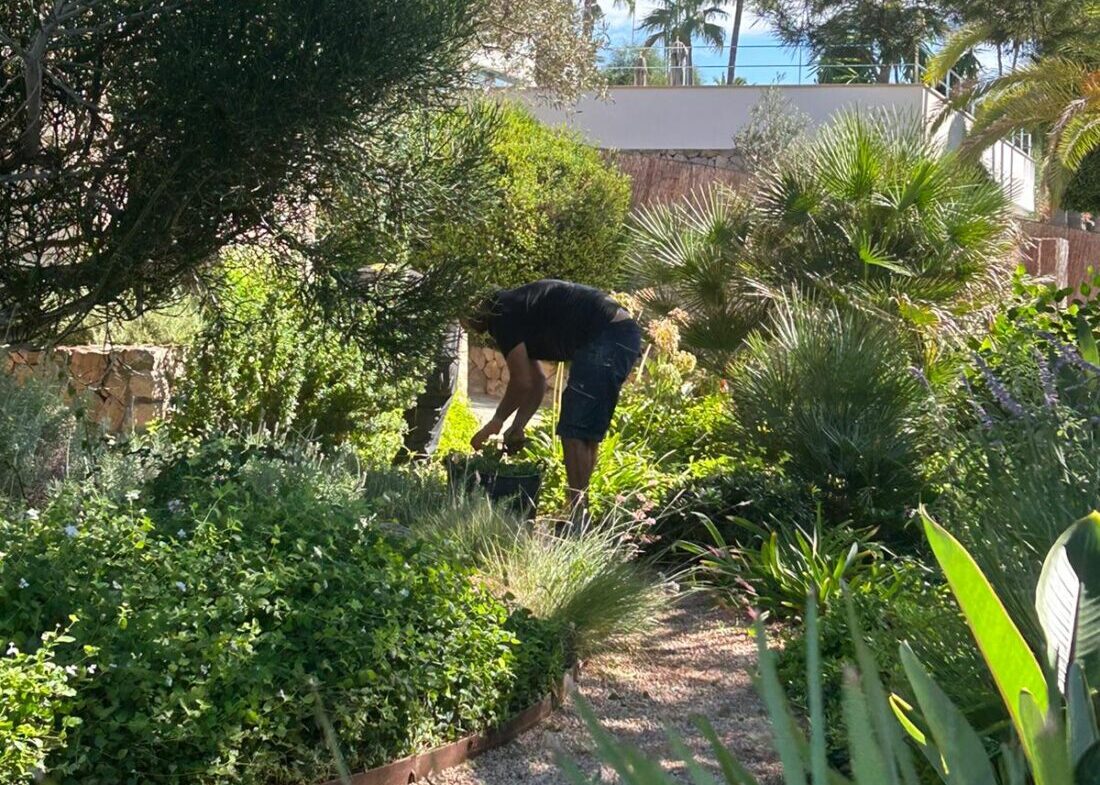
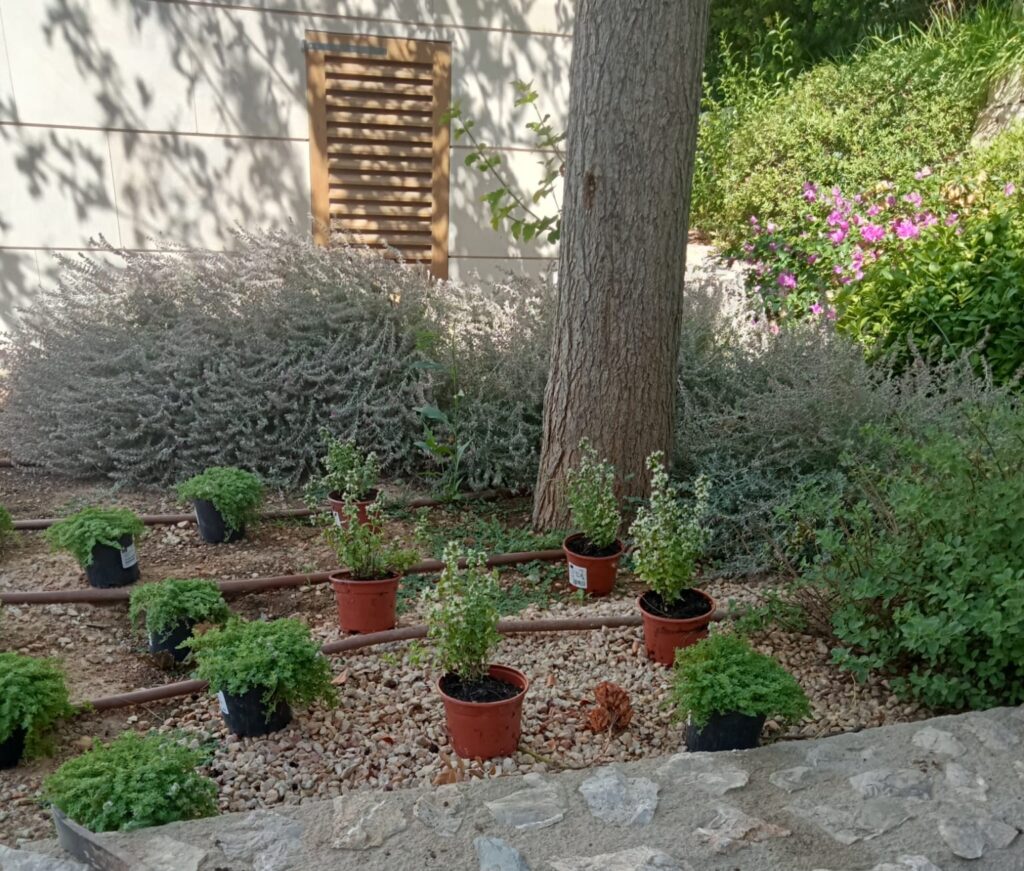
Gardening in coastal areas can be incredibly rewarding, but it also comes with unique challenges. Salt-laden air, strong winds, sandy soil, and intense sunlight can stress many common garden plants. Choosing the right plants is essential for creating a healthy and resilient coastal garden.
This guide explores the best plants for coastal gardens and explains what makes them suitable for seaside environments.
Why Coastal Plant Selection Matters
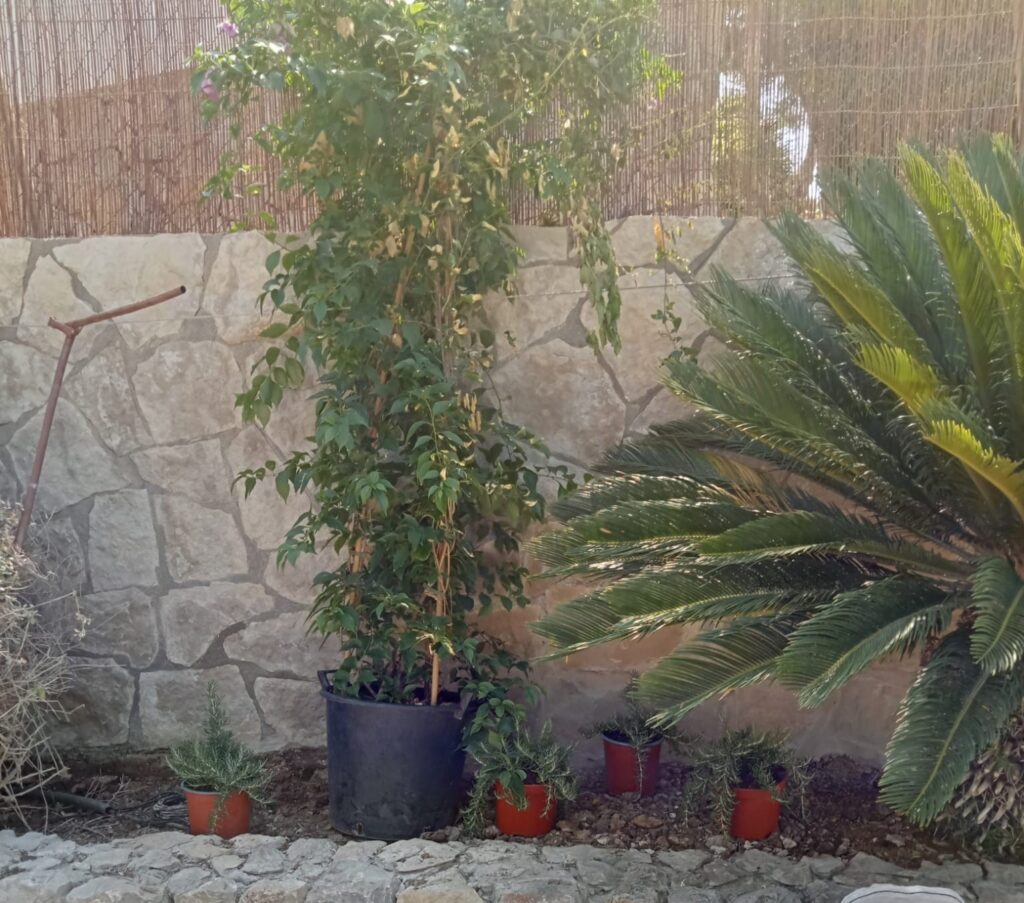
Coastal conditions are harsher than inland environments. Salt spray can damage leaves, strong winds can dry out plants quickly, and sandy soils often lack nutrients and retain little moisture.
Plants that are not adapted to these conditions may struggle to survive, require excessive maintenance, or fail altogether. Selecting plants that naturally tolerate salt, wind, and drought helps reduce maintenance while improving the long-term success of your garden.
What Makes a Plant Salt and Wind Tolerant
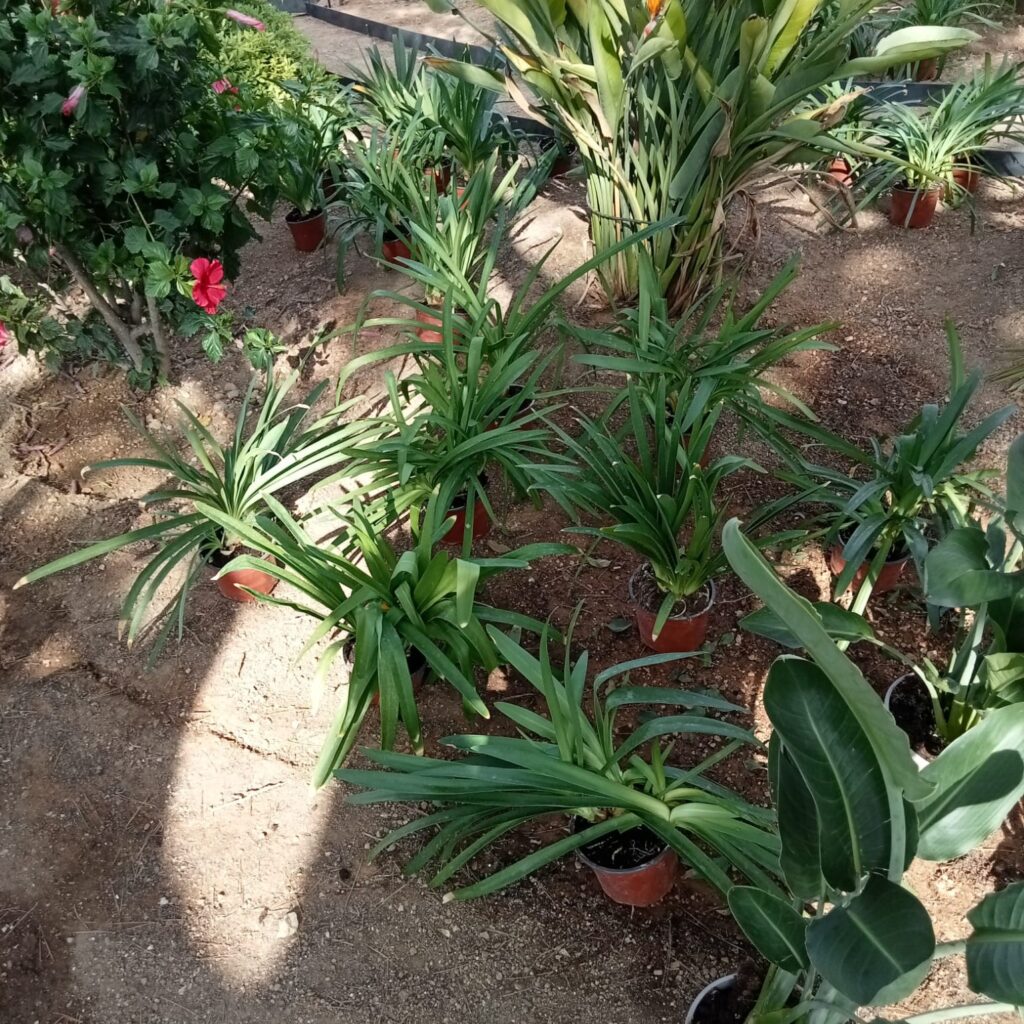
Plants that thrive in coastal environments typically share several characteristics:
- Thick or waxy leaves that reduce moisture loss
- Flexible stems that bend rather than break in strong winds
- Deep or spreading root systems for stability
- Natural tolerance to saline conditions
These adaptations allow plants to cope with coastal stressors while continuing to grow and flower normally.
Best Plants for Coastal Gardens
Many plants perform exceptionally well in coastal settings when chosen carefully.
Shrubs and Bushes
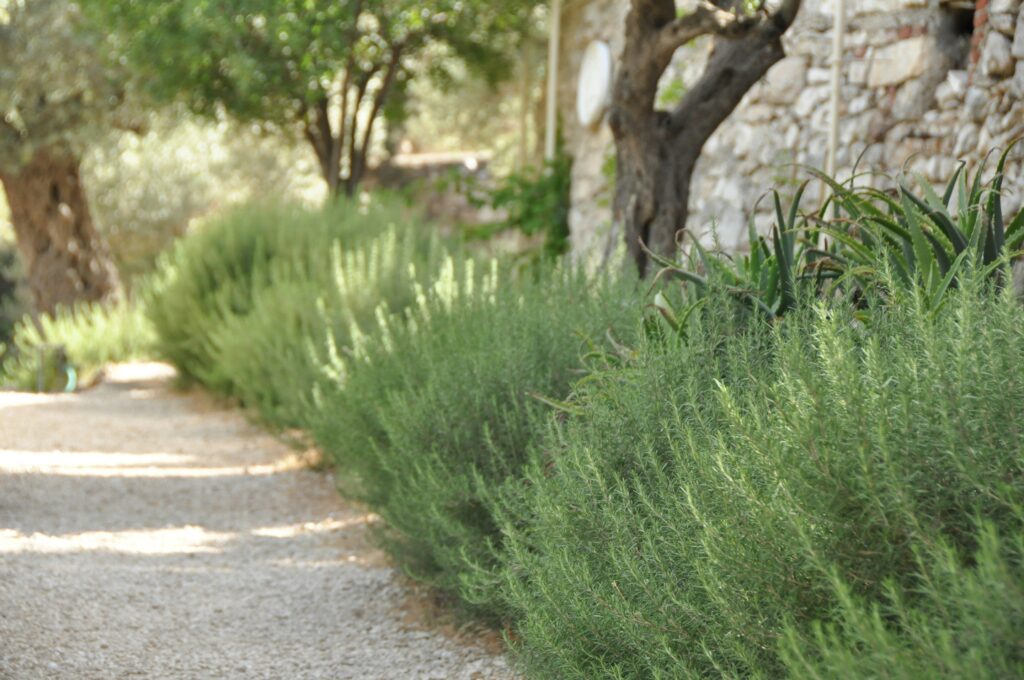
Salt-tolerant shrubs provide structure and protection from wind:
- Lavender
- Oleander
- Rosemary
- Pittosporum
These shrubs are hardy, low-maintenance, and well-suited to sandy soils.
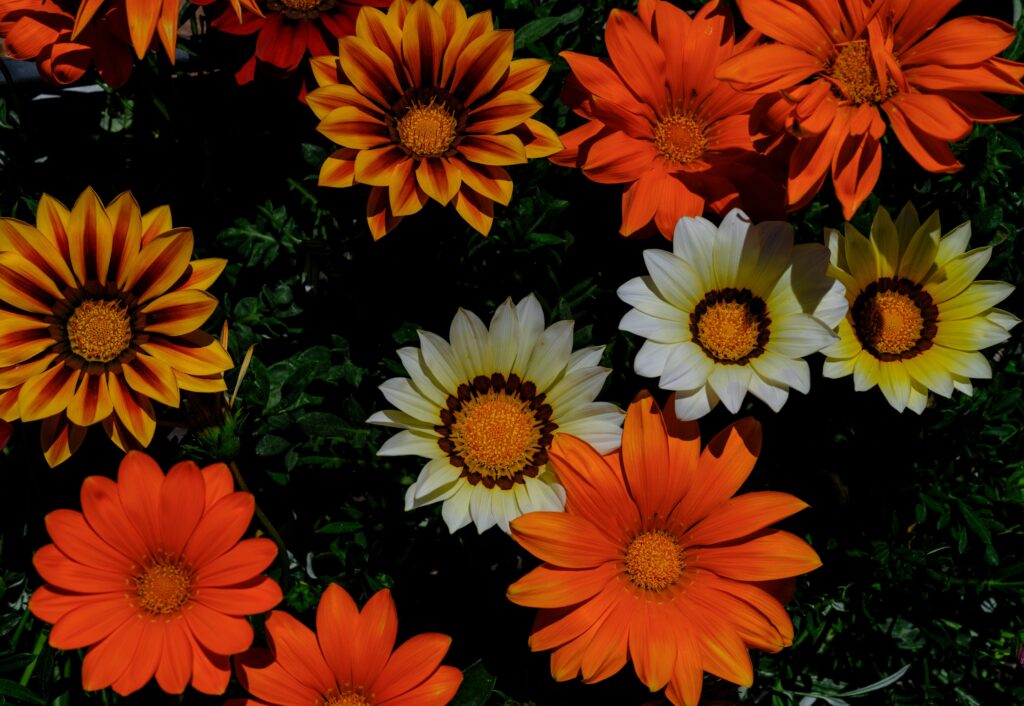
Perennials and Flowers
Flowering plants add color while handling coastal conditions:
- Sea thrift
- Coreopsis
- Daylilies
- Gazania
Most of these plants tolerate drought and thrive in full sun.
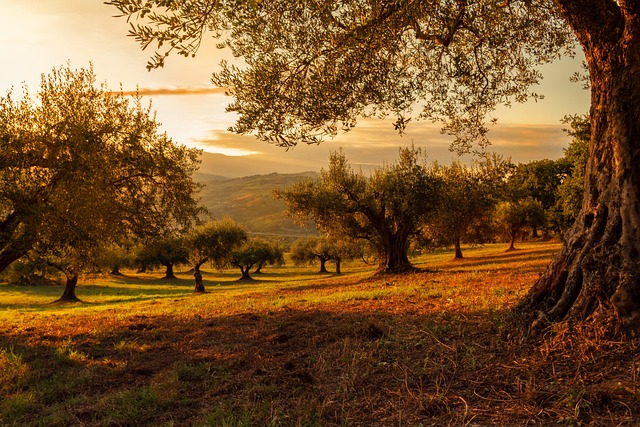
Trees for Coastal Gardens
When space allows, certain trees can act as windbreaks:
- Olive trees
- Palm varieties
- Pine trees (coastal species)
These trees are adapted to salty air and poor soils, making them reliable long-term choices.
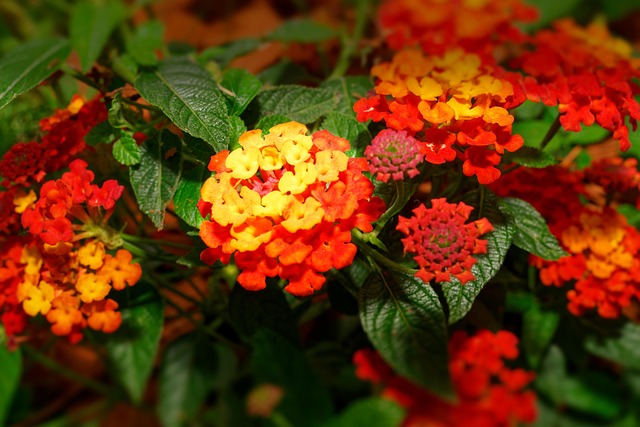
Ground Covers and Grasses
Ground covers help stabilize sandy soil and reduce erosion:
- Beach grass
- Ice plant
- Lantana
- Sedum
They spread easily and require minimal care once established.
Plants to Avoid in Coastal Areas
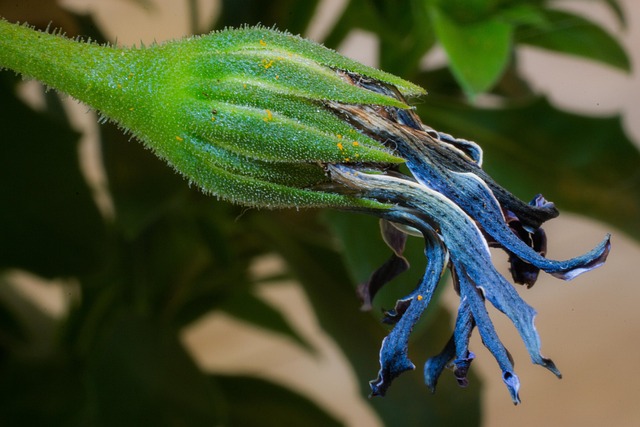
Some plants struggle significantly in coastal conditions and are best avoided:
- Plants with thin, delicate leaves
- Species that require rich, moisture-retentive soil
- Plants sensitive to salt exposure
Avoiding unsuitable plants saves time, money, and frustration.
Tips for Maintaining Coastal Plants
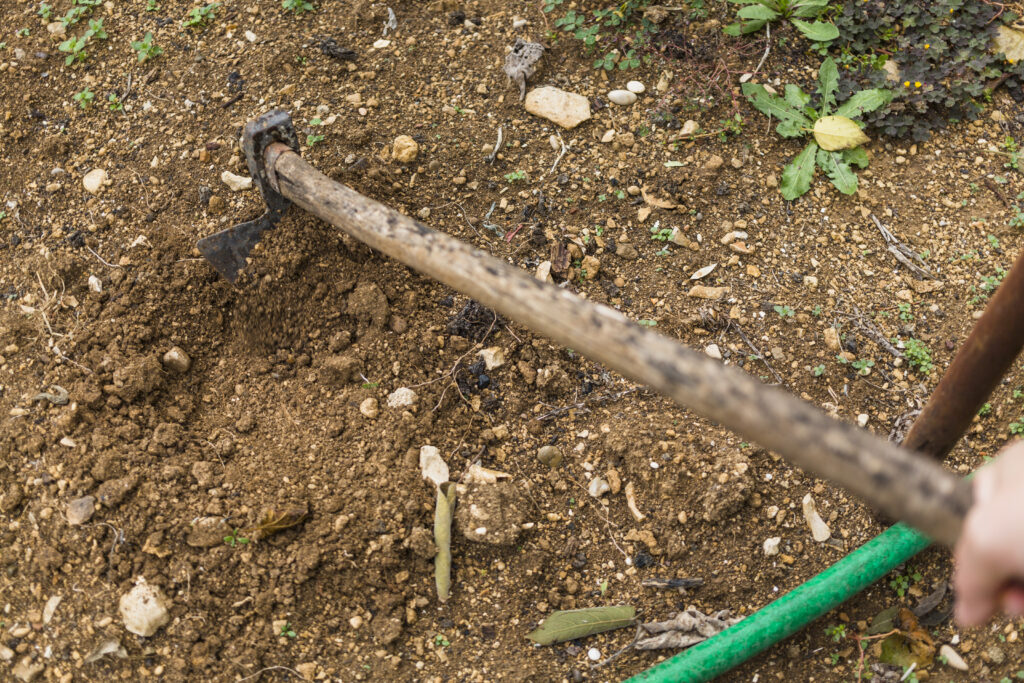
Even salt-tolerant plants benefit from proper care:
- Rinse foliage occasionally to remove salt buildup
- Improve sandy soil with organic matter
- Use mulch to retain moisture and protect roots
- Install efficient irrigation systems to deliver consistent watering
- Choosing the right irrigation setup can significantly improve plant health, especially in sandy coastal soils.
Final Thoughts
A successful coastal garden starts with choosing plants that are naturally suited to seaside conditions. By selecting salt- and wind-tolerant species and providing basic maintenance, gardeners can enjoy thriving landscapes with less effort and fewer problems.
With the right plant choices, coastal gardening becomes not a challenge—but a rewarding experience.