
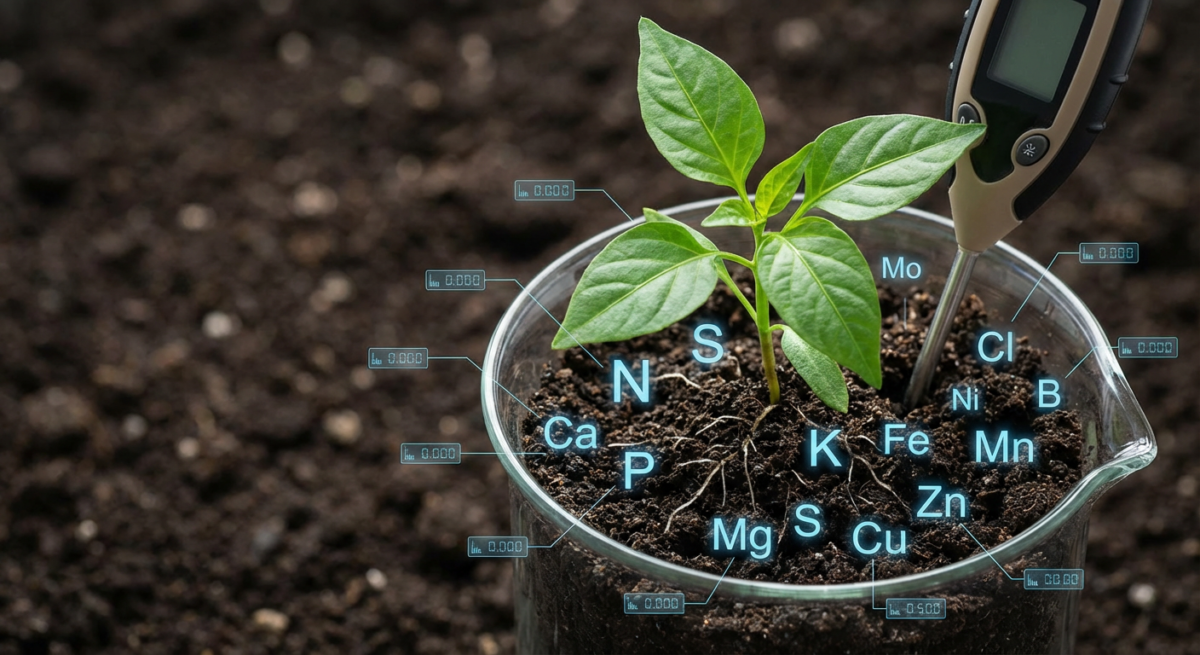
Coastal gardens may look lush and effortless, but what happens below the surface tells a very different story. Beneath the sand and salty breeze, coastal soil often lacks the stability and nutrients plants need to grow properly. Without the right balance, even hardy plants can struggle to establish roots and maintain healthy growth.
By understanding which nutrients are most important for coastal garden soil, you can create conditions that support stronger plants, better resistance to salt and wind, and more consistent growth throughout the season. This article explains the key nutrients coastal soils need and how to maintain them for a healthier, more productive garden near the coast.
Why Coastal Soil Struggles to Hold Nutrients
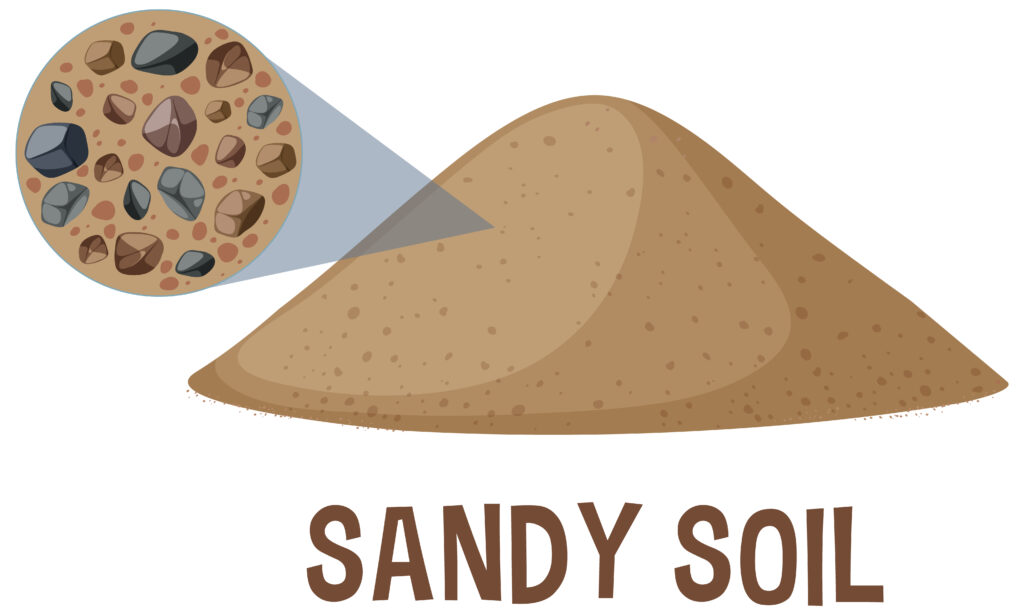
Coastal soil is often dominated by sand, which drains water very quickly. While good drainage can prevent root rot, it also means that nutrients are easily washed away before plants have time to absorb them. This constant leaching leaves the soil poor in essential minerals, even when fertilizers are applied regularly.
Salt is another major factor affecting coastal soil health. Salt can interfere with a plant’s ability to take up nutrients, especially potassium and calcium, weakening growth over time. In addition, strong coastal winds and intense sunlight can dry out the soil faster, further reducing nutrient availability.
Because of these conditions, coastal gardens require a more intentional approach to soil nutrition. Rather than relying on quick fixes, gardeners need to focus on improving nutrient retention and long-term soil structure.
The Most Important Soil Nutrients for Coastal Gardens
Nitrogen (N): Supporting Leaf and Stem Growth
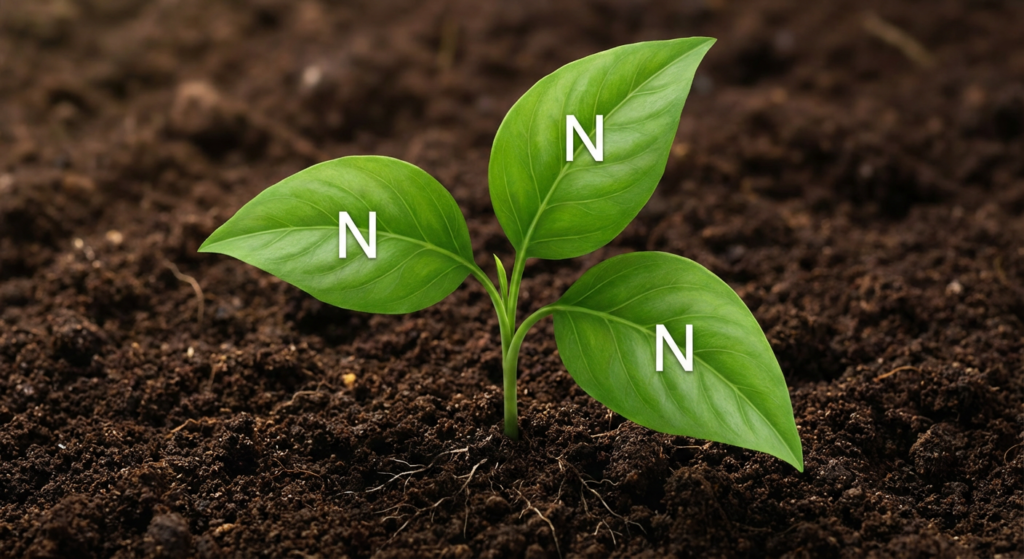
Nitrogen is essential for healthy leaf and stem development. In coastal soils, nitrogen is often lost quickly due to fast drainage and frequent watering. When nitrogen levels are too low, plants may appear pale, grow slowly, and produce weak foliage. Adding organic compost or slow-release nitrogen sources helps maintain steady growth without overwhelming plants.
Phosphorus (P): Encouraging Strong Roots
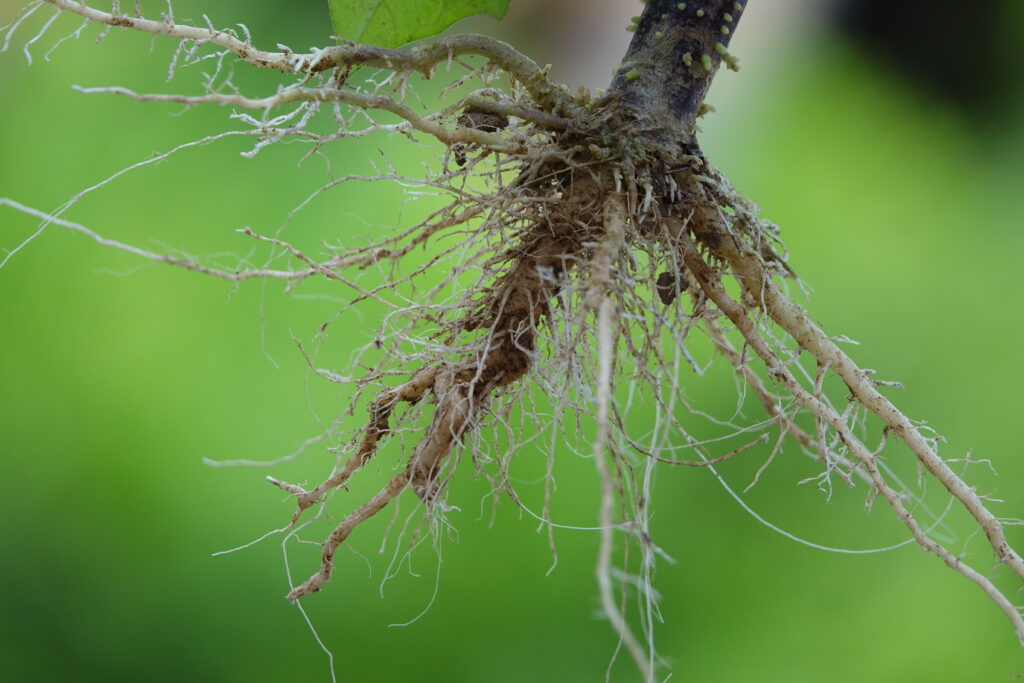
Phosphorus plays a key role in root development and early plant establishment. Coastal soils can struggle to retain phosphorus, especially in sandy conditions. Without enough phosphorus, plants may develop shallow roots, making them more vulnerable to wind and drought. Bone meal, compost, and balanced fertilizers can help improve phosphorus availability.
Potassium (K): Improving Salt and Wind Resistance
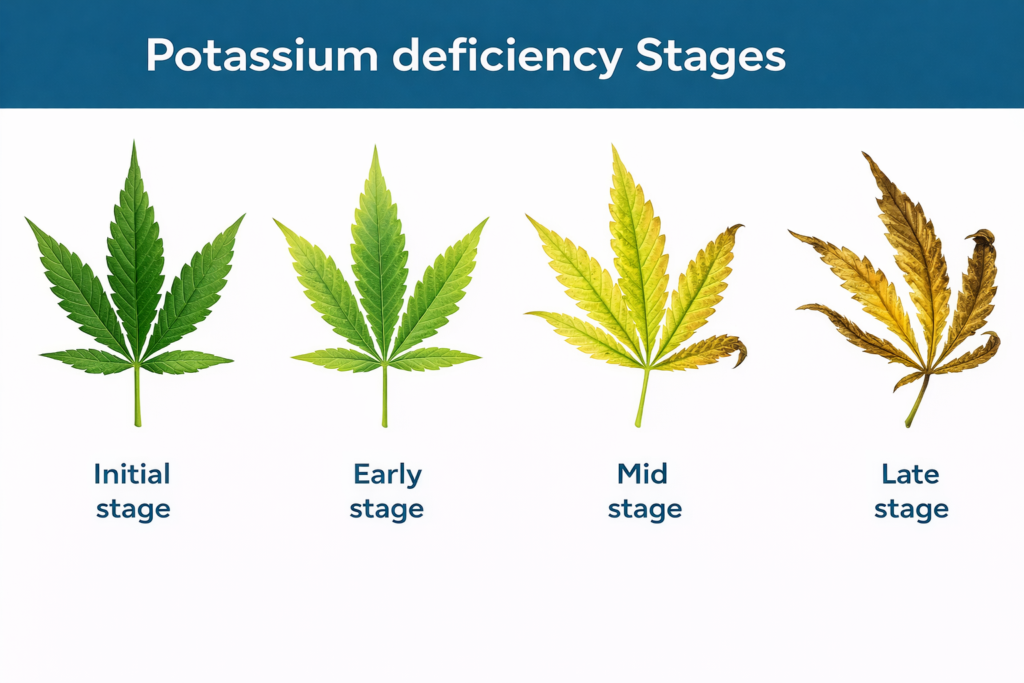
Potassium is especially important for coastal gardens because it helps plants manage stress. It strengthens cell walls, improves water regulation, and increases tolerance to salt and wind exposure. Plants lacking potassium may show weak stems or scorched leaf edges. Slow-release fertilizers and organic amendments help maintain stable potassium levels.
Calcium: Strengthening Plants in Salty Soils
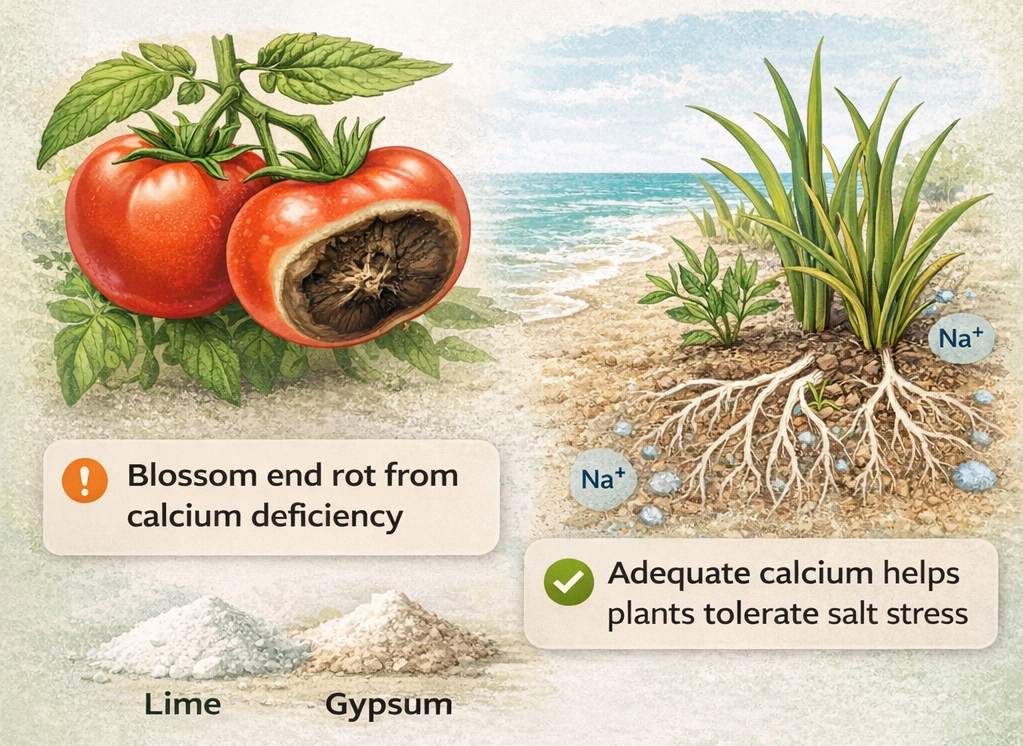
Calcium supports strong cell structure and healthy root systems. In coastal areas, salt can compete with calcium uptake, leading to poor plant development. Adequate calcium helps plants better tolerate saline conditions and prevents issues like blossom end rot. Lime or gypsum can be used carefully to improve calcium levels when needed.
Magnesium: Maintaining Healthy Green Leaves
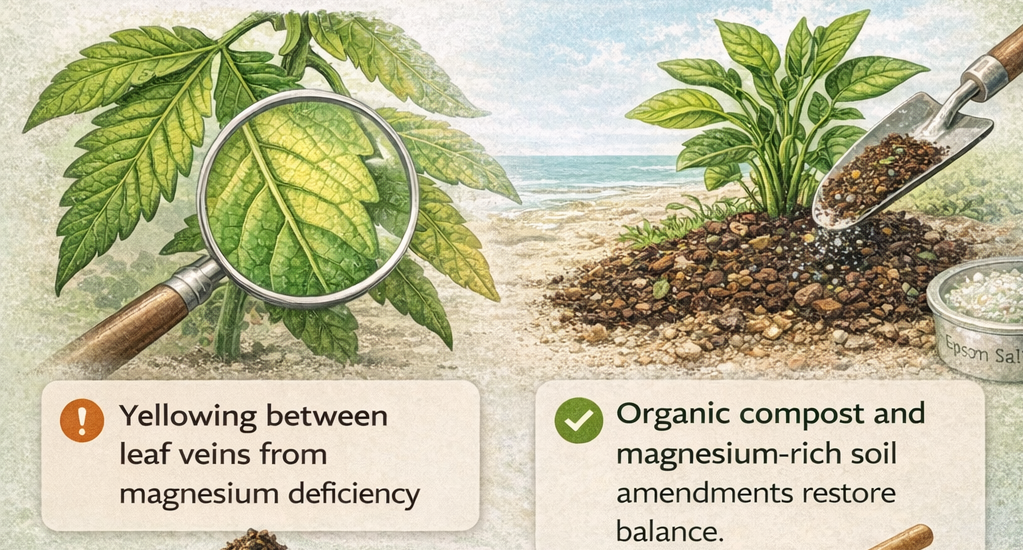
Magnesium is essential for chlorophyll production, which gives plants their green color and supports photosynthesis. In nutrient-poor coastal soils, magnesium deficiencies can cause yellowing between leaf veins. Organic compost and magnesium-rich soil amendments help restore balance without disrupting other nutrients.
Organic Matter: The Foundation of Coastal Soil Health

Organic matter is one of the most important components of healthy coastal soil. It improves nutrient retention, enhances moisture balance, and supports beneficial microorganisms. Regularly adding compost, aged manure, or leaf mold transforms sandy soil into a more stable growing environment over time.
How to Add Nutrients to Coastal Garden Soil Safely
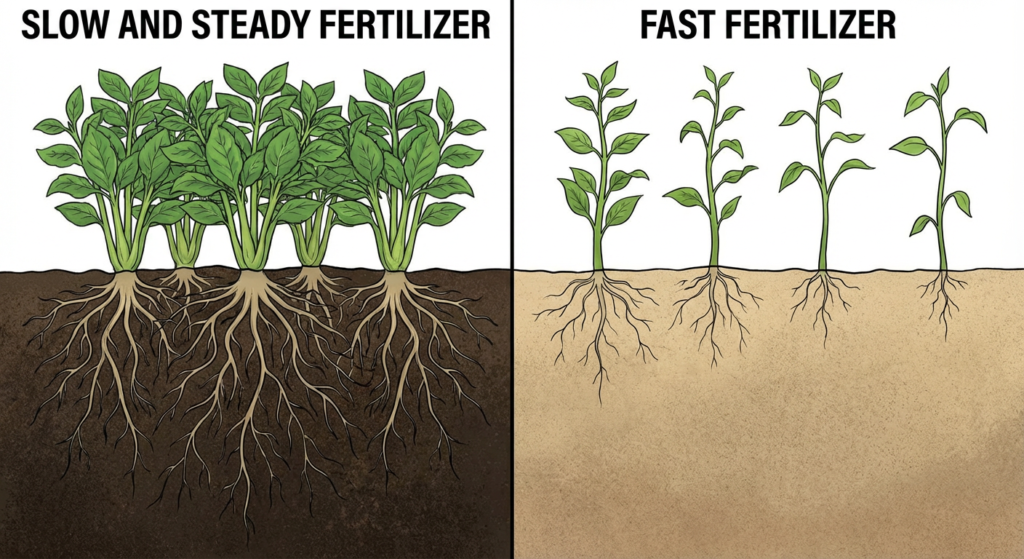
In coastal gardens, slow and steady nutrient application works best. Fast-release fertilizers often wash away before plants can benefit. Using compost, slow-release fertilizers, and organic amendments allows nutrients to remain available longer while reducing the risk of runoff and salt buildup.
Natural Soil Amendments That Work Well in Coastal Areas
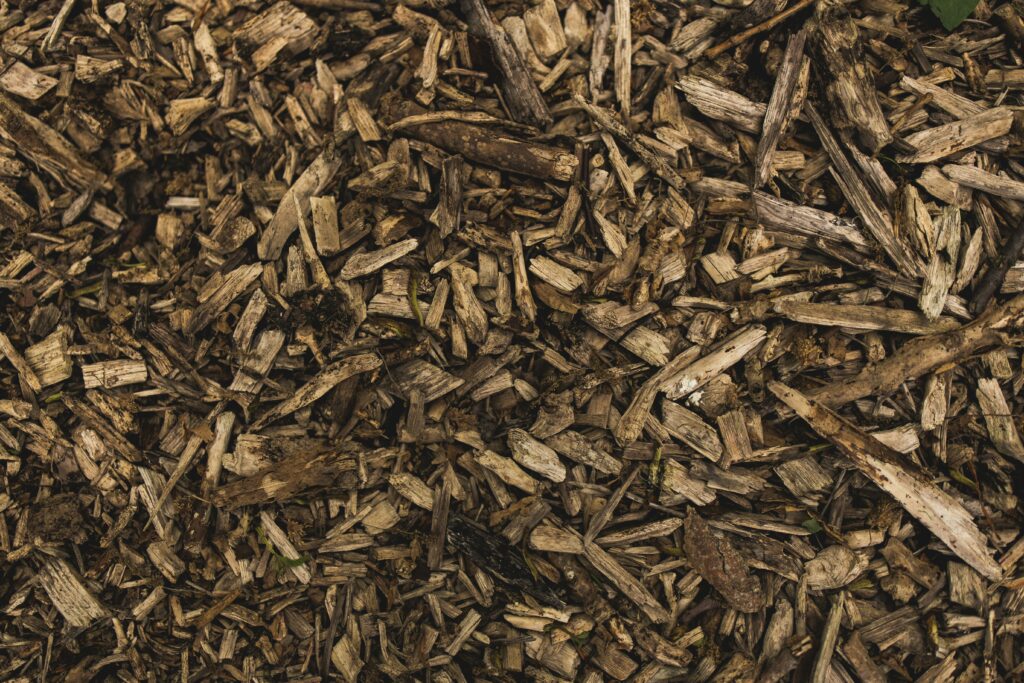
Organic compost, seaweed-based products, mulch, and cover crops are excellent choices for coastal soils. These materials improve structure, reduce nutrient loss, and protect soil from wind and sun exposure. Natural amendments also support long-term soil health rather than offering short-term fixes.
Common Nutrient Mistakes in Coastal Gardens
One common mistake is over-fertilizing to compensate for nutrient loss. This can damage roots and increase salt stress. Ignoring soil testing is another issue, as it leads to unbalanced nutrient applications. Using fast-acting fertilizers too frequently can also worsen nutrient leaching in sandy soils.
How Often Should You Replenish Soil Nutrients Near the Coast?
Because nutrients leach quickly in coastal areas, light but regular replenishment works best. Adding compost once or twice per year and monitoring plant health throughout the season helps maintain balance. Soil testing every one to two years provides valuable guidance for targeted improvements.
Final Tips for Long-Term Coastal Soil Health
Nutrient balance works best when combined with plants that are suited to coastal conditions. Focus on improving organic matter, protecting soil with mulch, and choosing nutrient strategies suited to sandy conditions. With consistent care, coastal gardens can support strong, resilient plants despite challenging environments.