
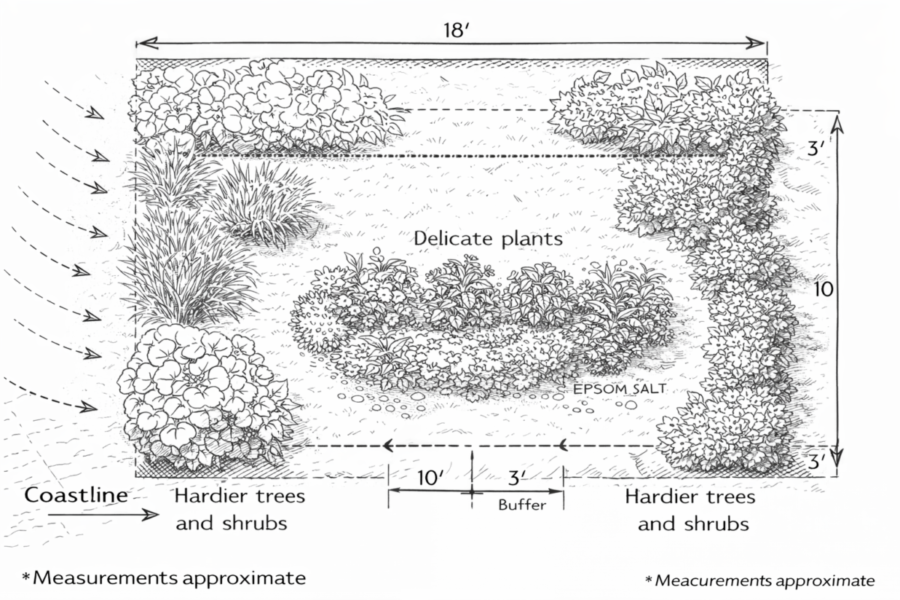
In coastal areas, learning how to protect plants from wind and salt in coastal gardens is essential for long-term garden success. Even when soil quality and watering are well managed, constant exposure to strong winds and airborne salt can weaken plants, dry out foliage, and slow growth. These conditions often lead gardeners to believe plants are failing for unknown reasons.
Protecting a coastal garden from wind and salt spray is less about eliminating these elements and more about managing their impact. With the right strategies, it is possible to reduce stress on plants and create a more stable environment that supports healthy growth year-round.
How Wind and Salt Spray Affect Coastal Plants

Strong coastal winds increase moisture loss by drying out leaves and soil. Over time, this causes dehydration, leaf damage, and weakened plant structure. Wind can also break stems, loosen roots, and reduce flowering or fruiting.
Salt spray compounds these problems by settling on leaves and soil surfaces. Salt interferes with water absorption and can burn foliage, leading to discoloration and reduced photosynthesis. Combined, wind and salt create conditions that require thoughtful garden design and maintenance.
Choosing Wind- and Salt-Tolerant Plants
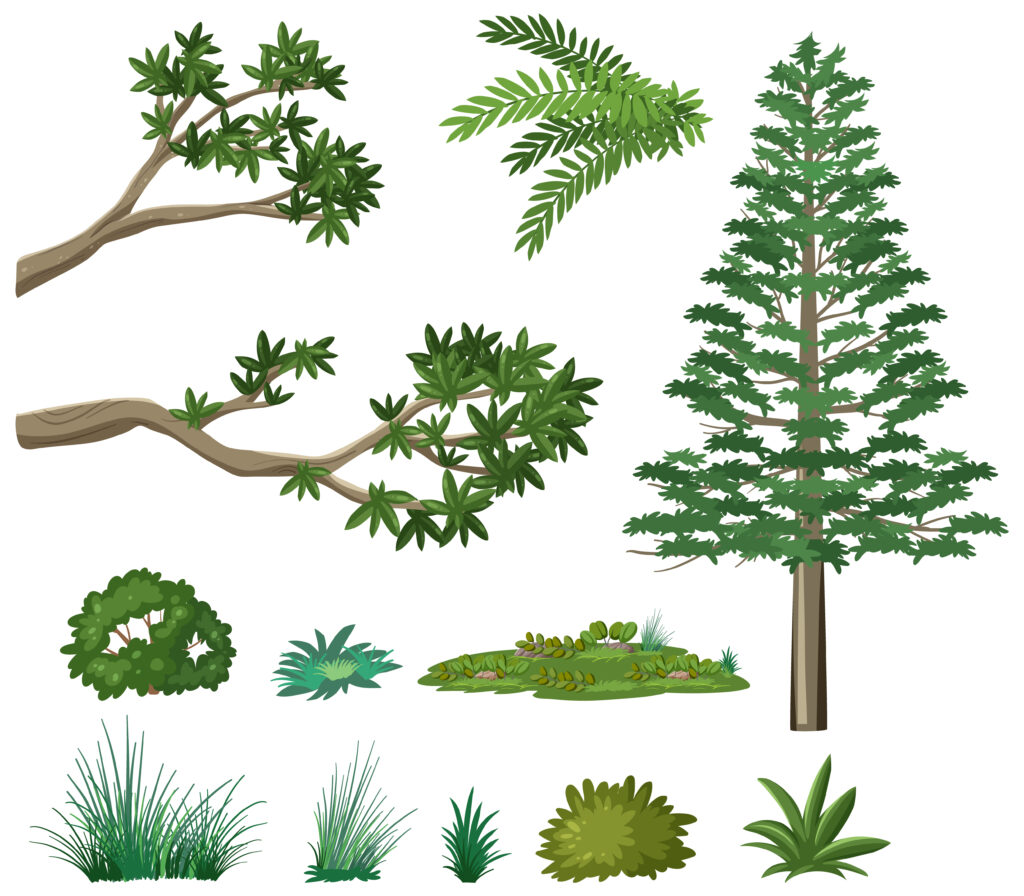
Plant selection is one of the most effective ways to reduce damage from wind and salt spray. Plants that naturally tolerate coastal conditions are better equipped to handle constant exposure without declining.
Native plants are often the best choice, as they have adapted to local wind patterns and saline environments. Plants with thick, waxy, or small leaves also tend to resist salt damage better than those with large or delicate foliage.
Using Windbreaks to Reduce Exposure
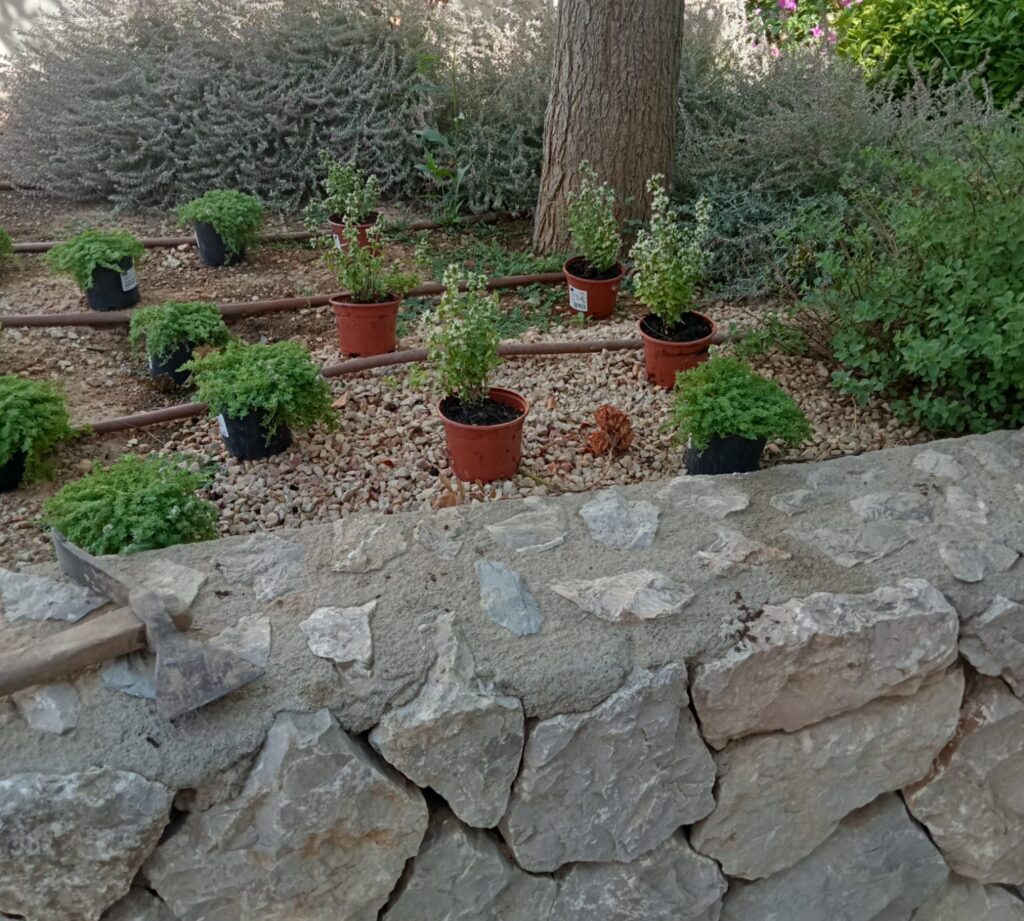
Windbreaks are a practical solution for protecting coastal gardens. Fences, hedges, walls, or strategically placed shrubs can significantly reduce wind speed without blocking airflow completely.
The most effective windbreaks are semi-permeable rather than solid. Allowing some wind to pass through prevents turbulence and reduces stress on plants behind the barrier. Position windbreaks on the side facing prevailing winds for maximum benefit.
Garden Layout and Plant Placement Strategies
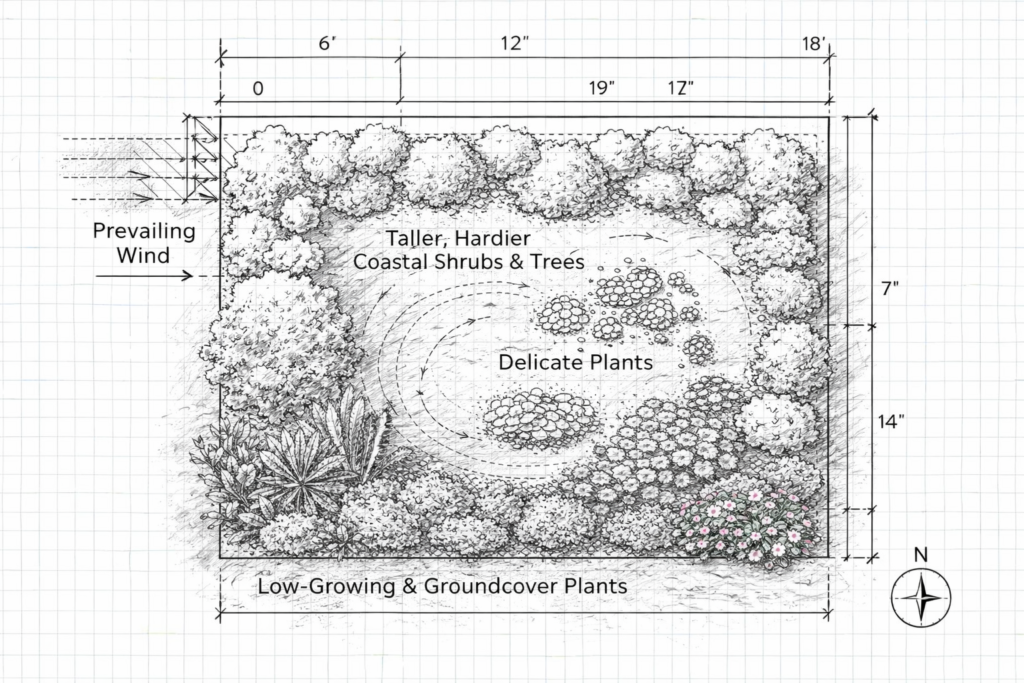
Thoughtful garden layout plays a major role in wind and salt protection. Placing taller, hardier plants on the outer edges of the garden helps shield more delicate plants inside.
Grouping plants together also reduces exposure by creating a shared microclimate. Low-growing plants and ground covers can protect soil and reduce wind impact at ground level.
Mulching and Soil Protection Against Wind and Salt

Mulch helps protect soil from erosion caused by wind and salt exposure. It reduces moisture loss, shields soil from salt buildup, and improves long-term soil structure.
Organic mulch is particularly effective in coastal gardens, as it helps dilute salt concentration and supports beneficial soil organisms. Maintaining an adequate mulch layer is essential after storms or strong winds.
Watering Practices That Reduce Salt Stress

Proper watering helps flush excess salt from the soil and plant surfaces. Deep, infrequent watering encourages roots to grow deeper and reduces salt concentration near the surface.
Occasionally rinsing plant foliage with fresh water can remove salt residue, especially after windy days. Efficient irrigation methods help maintain consistent moisture without increasing nutrient loss.
Ongoing Maintenance for Long-Term Protection
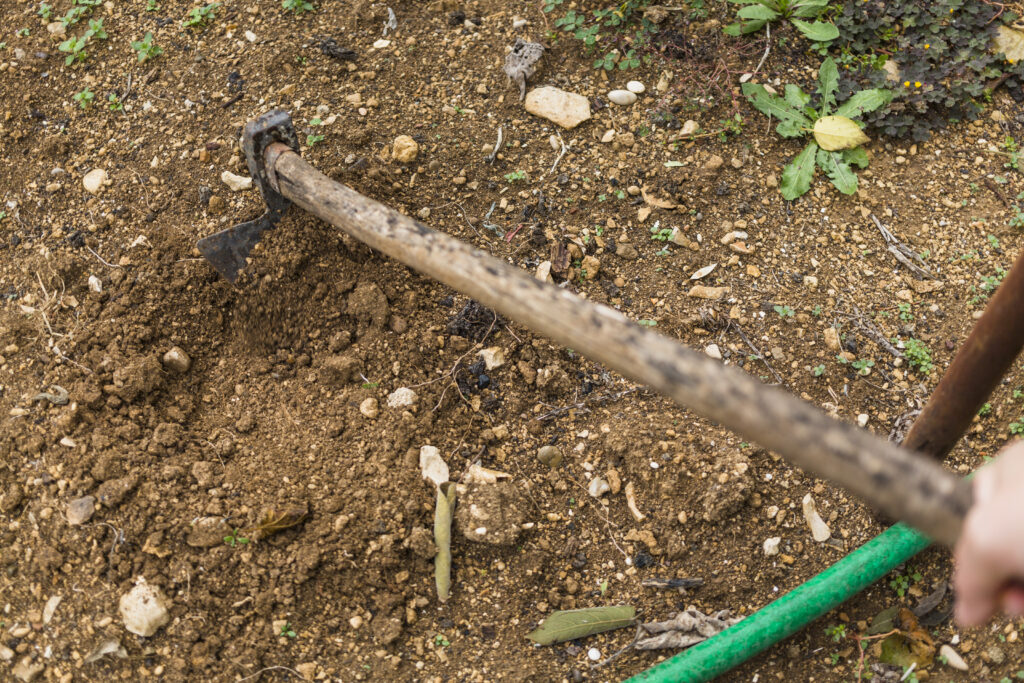
Protecting a coastal garden from wind and salt spray requires ongoing attention. Regular pruning removes damaged growth and encourages stronger plant structure. Monitoring soil health and replenishing organic matter helps maintain resilience.
Seasonal adjustments, such as reinforcing windbreaks or refreshing mulch, ensure that protective measures remain effective throughout the year.
Final Thoughts on Managing Wind and Salt in Coastal Gardens
Wind and salt spray are unavoidable in coastal environments, but they do not have to limit gardening success. By choosing appropriate plants, improving garden layout, and maintaining soil and moisture balance, coastal gardens can thrive despite challenging conditions.
With consistent care and thoughtful planning, gardeners can create protected spaces that support healthy growth and long-term sustainability near the coast.